
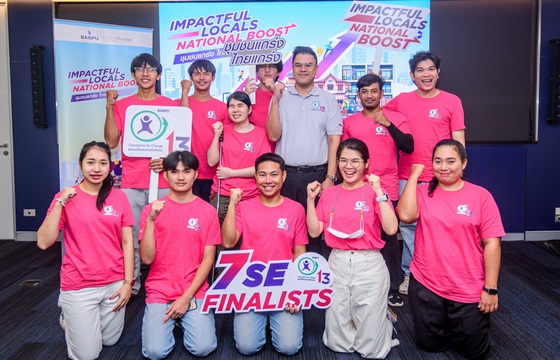
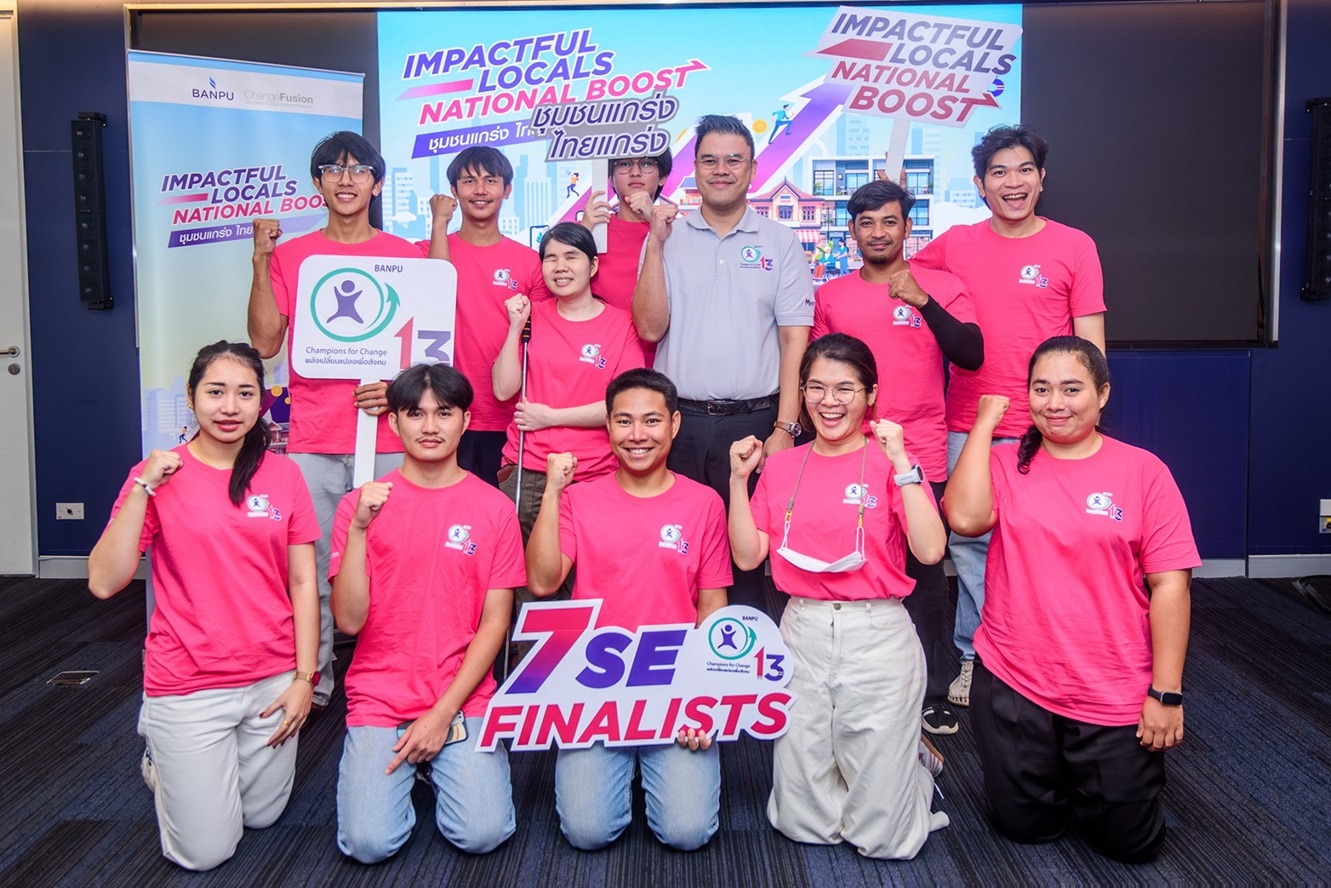
Banpu Enhances Human Potential and Upskills New Generation SEs: Unveils 7 Emerging Teams from “Banpu Champions for Change” Project

Banpu Public Company Limited reaffirms its dedication to fostering human potential development by partnering with ChangeFusion to enlist experts in social impact management and marketing. Together, they aim to elevate the skills of the new generation of Social Enterprise (SE) entrepreneurs through the “Banpu Champions for Change (BC4C)” project, batch 13. The primary objective is to unlock the potential of SEs, enabling them to foster both revenue growth and positive societal impacts, thereby driving grassroots economic development. Additionally, the seven social enterprises selected for the Incubation Program in 2024 are also announced.
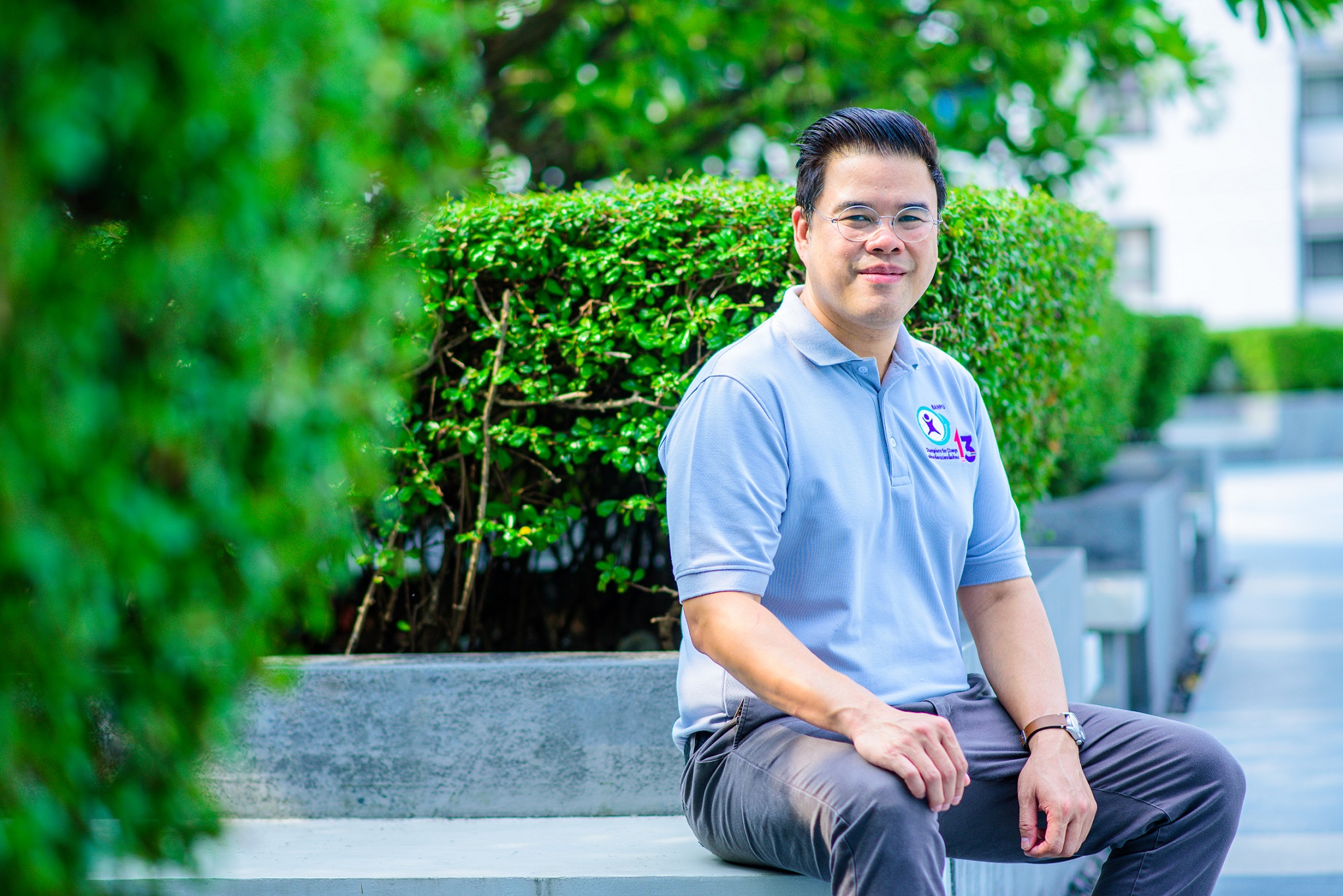
Mr. Rattapon Sukhunthee, Head of Corporate Communications, Banpu Public Company Limited, remarked, “This year, the BC4C project garnered significant interest from SEs across various regions following our outreach and promotional activities. This aligns seamlessly with our overarching theme of ‘Impactful Locals, National Boost’ which aims to foster the emergence of robust SEs nationwide. Among the initial 15 qualifying teams, each exhibits remarkable passion. The project serves to amplify social and environmental impacts while facilitating the development of comprehensive marketing plans and effective business presentation techniques. These acquired skills will empower SEs to systematically refine their business practices, grounded in tangible and pragmatic principles, thereby serving as a roadmap for sustainable business growth.”

The workshop on enhancing SE skills within Batch 13 of the Incubation Program encompasses the following key activities:

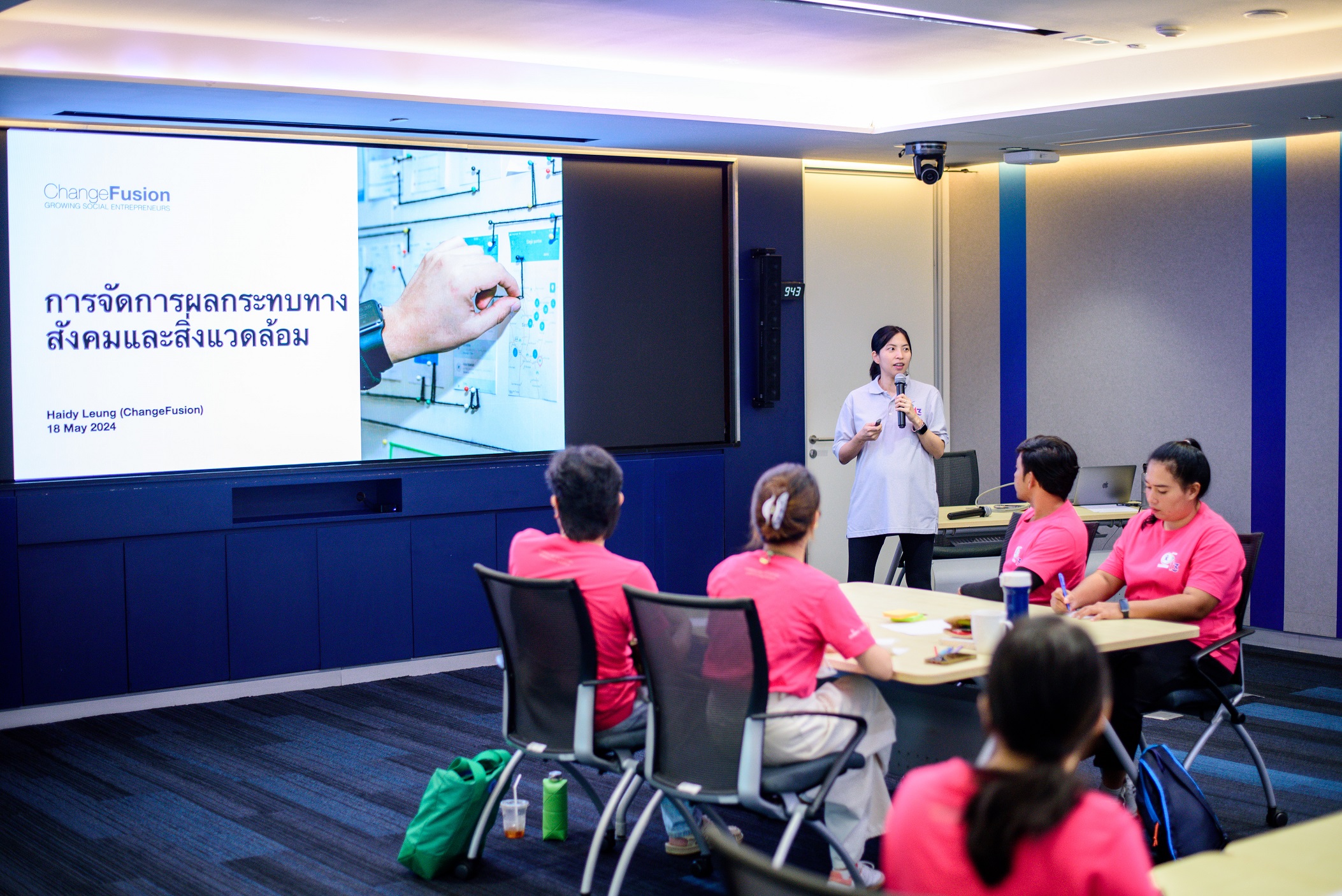
  1. Development of Social and Environmental Impact Management Plan: Led by Haidy Leung, Business Development Manager at ChangeFusion Institute, this session focuses on equipping entrepreneurs with the ability to meticulously analyze the positive impacts of their ventures on communities and society. Participants learned to conduct precise analyses of stakeholders and target groups, establish an impact model, and identify appropriate indicators tailored to each business.
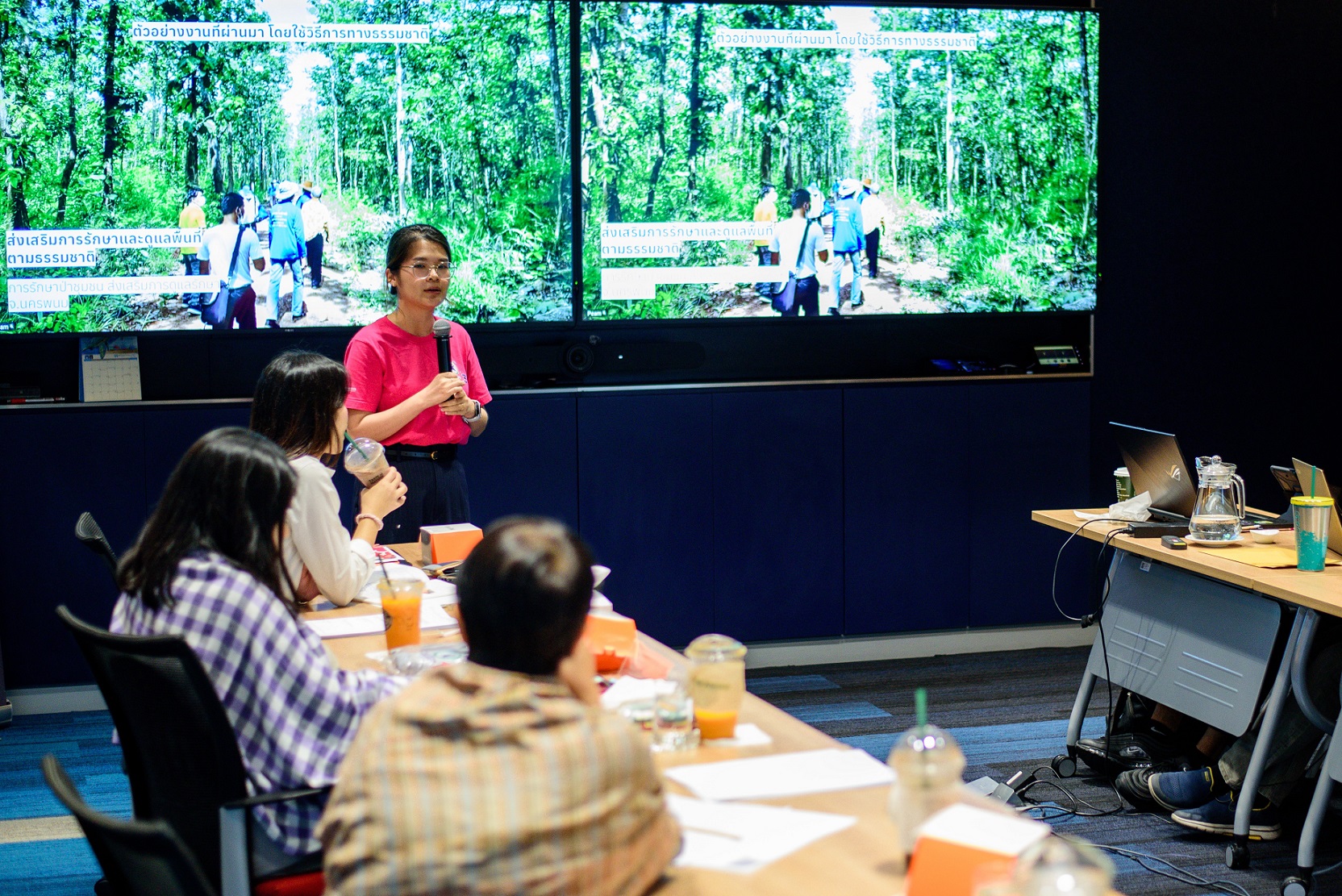
  2. Business Plan Development and Market Testing: Facilitated by Pawin Suthapong,
    a digital business strategy expert, this segment delves into innovation strategies, consumer-driven business planning, operational strategy, value creation, and innovation accounting.
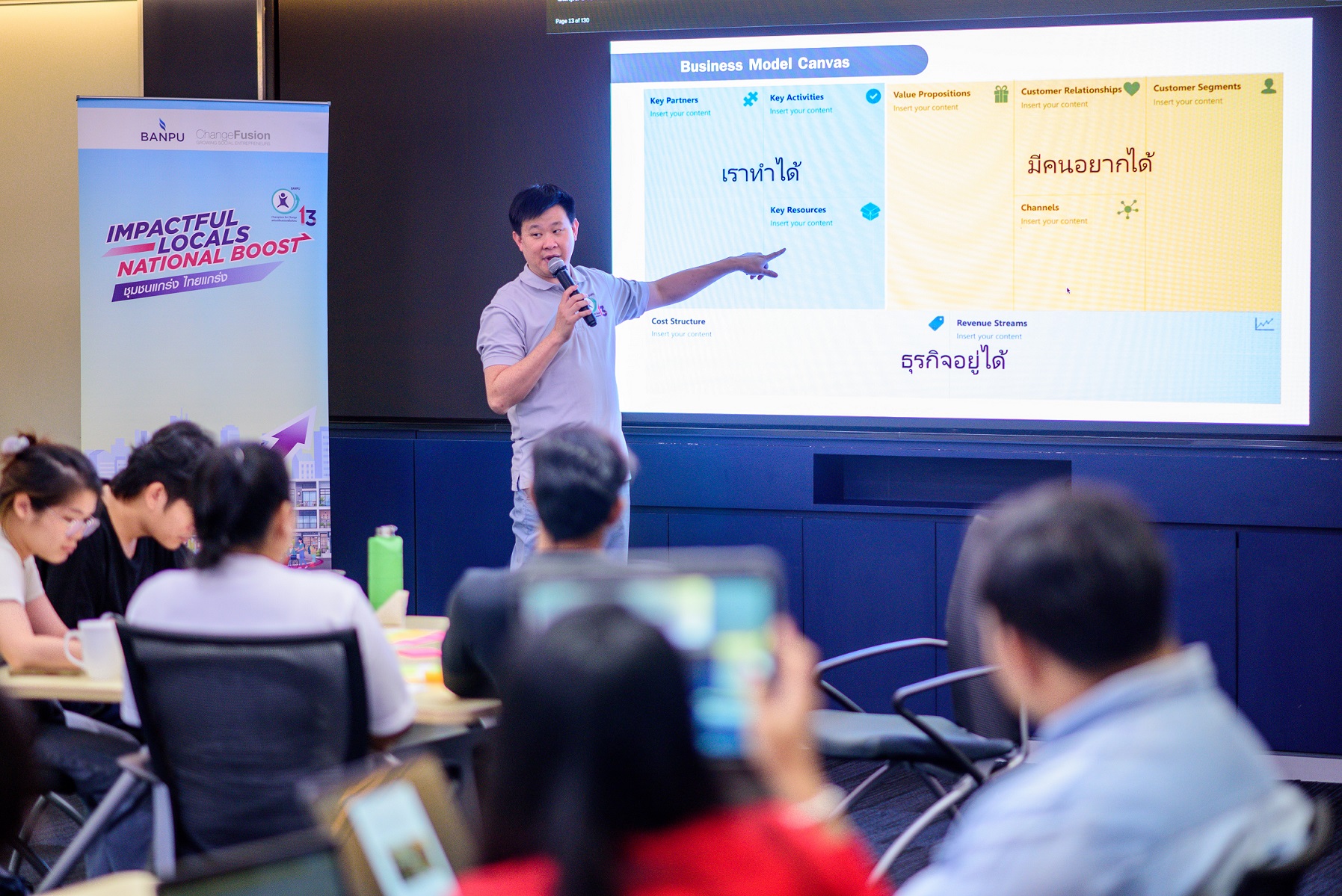
  3. Business Plan Presentation Techniques (Business Pitching): This session, focused on business pitching, emphasizes honing presentation skills with a dual focus on business viability and social impact. BC4C Alumni, including Mr. Narin Jitpraneechai from
    “a-chieve” BC4C Alumni Batch 1, Mr. Surasekk Yuthiwat from “toolmorrow” BC4C Alumni Batch 5, and Butrpoth Pholpipattanaphong from Hmong Cyber BC4C Alumni Batch 10, provide guidance by showcasing sample presentations and offering advice to participants.
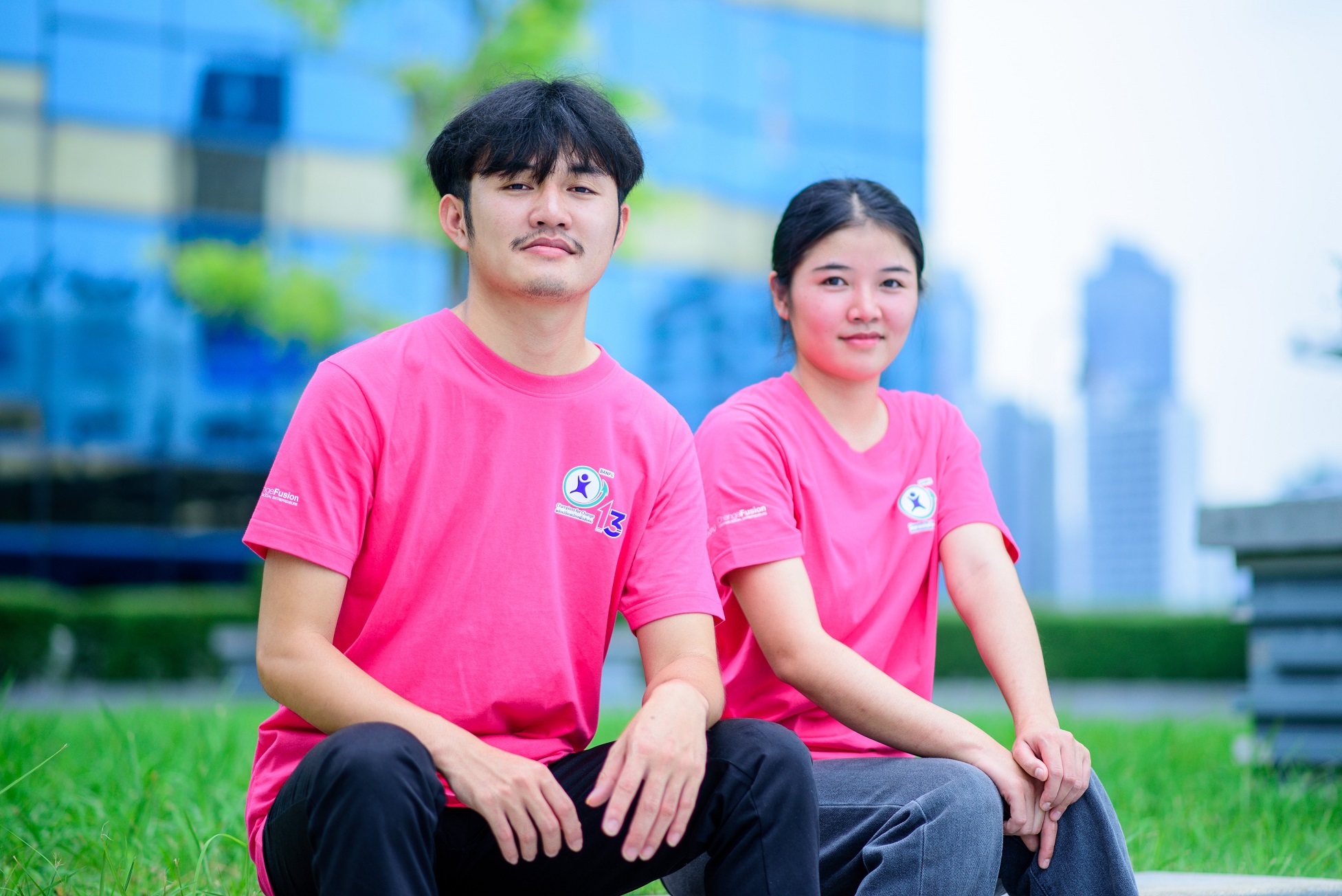
Ms. Jeerapan and Mr. Chunnawan Boonma, siblings and owners of the social enterprise “Karen Design,” shared their insights on their journey as one of the SEs selected among the final seven teams. They reflected, “Previously, Karen Design struggled to generate sufficient sales to positively impact our community. Engaging in business plan development and market testing workshops offered us valuable insights to overcome these challenges. We recognize the need to further refine our approach to branding, understanding our customer base, and effectively communicating with them. In the near term, we plan to focus on customer segmentation and understanding, enhancing content frequency and quality, and expanding our online sales channels. Additionally, we aim to collaborate with Karen TikTokers to boost sales and widen our community outreach. As sales increase, we aspire to extend our support to more villagers, while also fostering a network of the next generation dedicated to preserving local woven fabrics.”
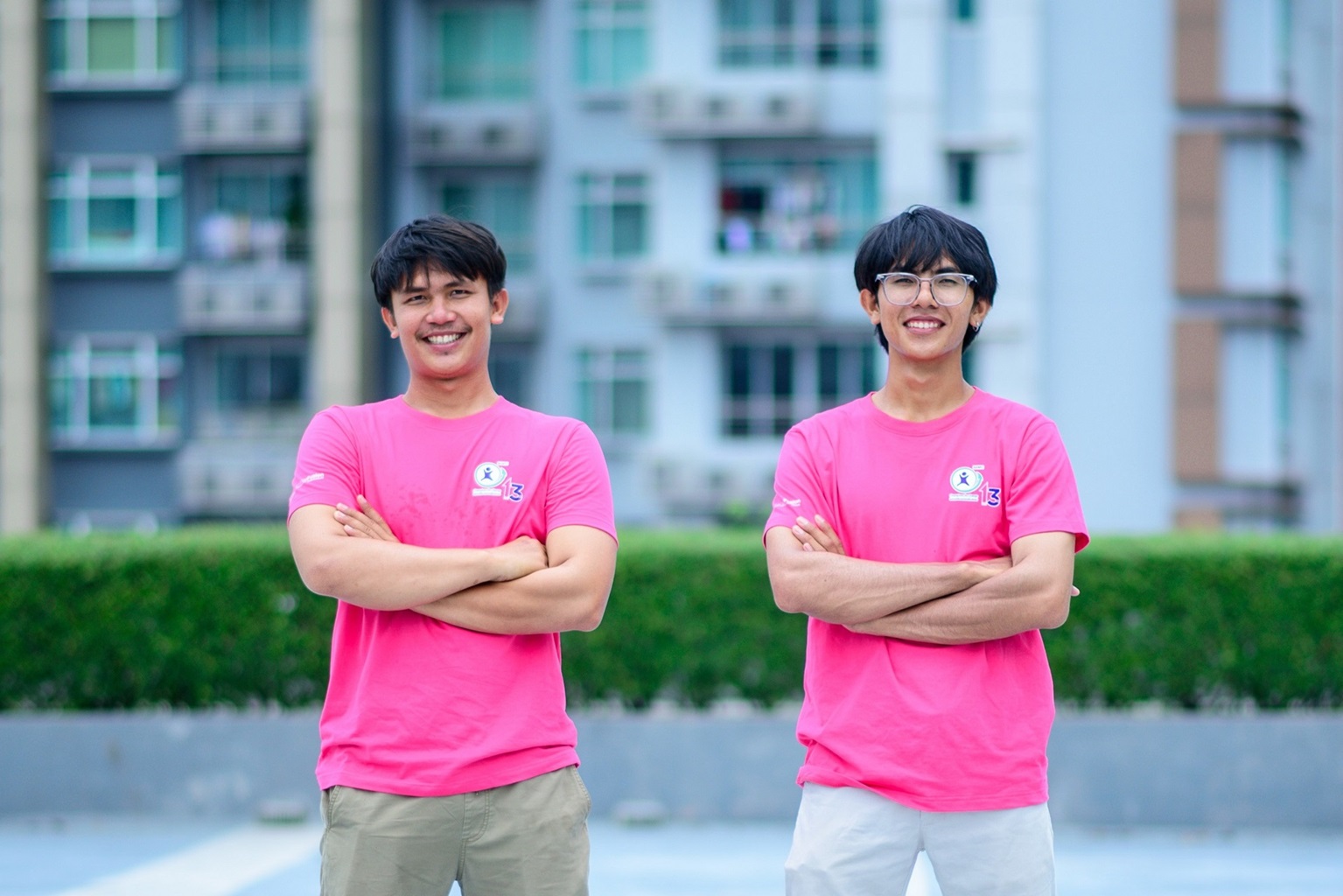
Mr. Kittidet and Mr. Thunwa Thedyaem, the entrepreneurial brothers behind the social enterprise “Khontalay,” shared their vision as one of the final seven teams selected. They expressed, “Following our participation in the workshop focused on developing strategies to manage social and environmental impacts, Khontalay envisions making a broader societal impact. Our plan entails enhancing community income, for instance, by sourcing processed seafood, packaging our products attractively, and marketing them as souvenirs to tourists. We also aim to expand our team of tour leaders for community tourism initiatives and provide comprehensive training to impart knowledge and establish tourism-related media contents. Moreover, we are committed to the conservation and restoration of marine resources. To support this, we intend to allocate a portion of our tour profits towards initiatives like increasing the number of fish traps or ‘Sang Kor’ – vital habitats and nurseries for aquatic animals.”
The 7 seven social enterprises that advanced to the final round of the Incubation Program (in no particular order) presented innovative solutions aimed at addressing diverse social challenges as followings.

  • Chan Rong: Committed to preserving mangrove forests in Krabi Province, Chan Rong (Stingless bees) adds value to the tiny bee “Chan Rong” to aid in the restoration of community forests. Their efforts include processing bee-derived products and promoting sustainable tourism.
  • Khontalay: Dedicated to the preservation of Thung Noi Bay in Prachuap Khiri Khan Province, Khontalay collaborates with local communities to expand sustainable fishing networks and foster creative tourism initiatives, generating income through the sale of tourism-related products and services.
  • Refield Lab: Specializing in designing green spaces using landscape architecture, Refield Lab engages stakeholders to plan environmentally-conscious development initiatives. Their approach focuses on nature-based solutions, aiming to restore holistic environment to communities.
  • Zeefedz: Aiming to minimize the environmental impact of shrimp farming, Zeefedz utilizes innovative biological supplements to reduce reliance on antibiotics and eliminate chemical residues. Additionally, they seek to generate extra income for shrimp farmers through their sustainable practices.
  • Karen Design: Addressing poverty among the Karen tribe in the Mae Hong Son area, Karen Design creates additional income opportunities for the community through crafting handmade products such as “handwoven fabric – lamps made from corn husks.”
  • CHICK VILLAGE: Supporting a community of chicken farmers, CHICK VILLAGE promotes consistent income and aims to alleviate household debt by enhancing skills in raising laying hens for sale and facilitating agricultural tourism.
  • PaperyBfly Bookhouse: Empowering Thai disabled persons to become writers, PaperyBfly Bookhouse provides a platform for individuals to showcase their potential and create literary works, paving the way for future souvenir products.
Stay updated on project developments and the announcement of Incubation Program winners through the Banpu Champions for Change Facebook page: www.facebook.com/banpuchampions.

###

About Banpu

Banpu Public Company Limited operates 3 core groups of businesses – energy resources, energy generation, and energy technology in Thailand, Indonesia, China, Australia, Lao PDR, Mongolia, Japan, the United States of America and Vietnam.

Tags :
For more information,
Please contact Banpu Corporate
Communications Team:
Kamolwan Chiamudom

02-694-6994

Kamolwan_c@banpu.co.th

Titawan Vongsakulpaisal

062-525-6554

titawan_v@banpu.co.th

Solar Farm
Ponder Solar Farm
Texas

Operational

Capacity
(1Q26)

2.5
MW
Banpu Ownership : 100%
Gas-fired Power Plant (HELE/CCGT)
Temple I CCGT Power Plant
Texas

Operational

Installed
capacity
(1Q26)

768
MW
Banpu Ownership : 100%
Temple II CCGT Power Plant
Texas

Operational

Installed
capacity
(1Q26)

755
MW
Banpu Ownership : 100%
Shale Gas Site
Marcellus Shale
Pennsylvania

Operational

Reserves
(2025)

0.6
Tcfe 1P reserves
Banpu Ownership : 65.94%
Barnett Shale
Texas

Operational

Reserves
(2025)

5.5
Tcfe 1P reserves
Banpu Ownership : 65.94%
CCUS Project
Barnett Zero Project
Texas

Operational

Annual CO2
storage capacity
(2025)

183,000
t/yr
Cotton Cove Project
Texas

Operational

Annual CO2
storage capacity
(2025)

32,000
t/yr
CCUS Project
Eagle Ford Project
Southern Texas

Under Development

Annual CO2
storage capacity
(2025)

~90,000
t/yr
East Texas Project
Eastern Texas

Under Development

Annual CO2
storage capacity
(2025)

~70,000
t/yr
BESS Project
Megamouth BESS
Texas

Under Development

Capacity
(2025)

100
MW
200
MWh
Banpu Ownership : 100%
BESS Project
Iwate Tono BESS
Iwate

Operational

Capacity
(1Q26)

15
MW
58
MWh
Banpu Ownership : 75%
BESS Project
Aizu BESS
Fukushima

Under Development

Capacity
(2025)

26
MW
104
MWh
Banpu Ownership : 100%
Tsuno BESS
Miyazaki

Under Development

Capacity
(2025)

26
MW
104
MWh
Banpu Ownership : 70%
Kamigumi-Tokyo BESS
Tokyo

Under Development

Capacity
(2025)

2
MW
8
MWh
Banpu Ownership : 49%
Nikko BESS
Tochigi ​

Under Development

Capacity
(2025)

40
MW
160
MWh
Banpu Ownership : 100%
Hiyoshibaru BESS
Oita​

Under Development

Capacity
(2025)

20
MW
80
MWh
Banpu Ownership : 30%
Solar Power Plant
Olympia Solar
Gunma, Ibaraki and Tochigi

Operational

Capacity
(1Q26)

10
MW
Banpu Ownership : 40%
Yamagata Solar​
Yamagata

Operational

Capacity
(1Q26)

20
MW
Banpu Ownership : 100%
Kesennuma Solar
Miyagi

Operational

Capacity
(1Q26)

20
MW
Banpu Ownership : 100%
Shirakawa Solar​
Fukushima

Operational

Capacity
(1Q26)

10
MW
Banpu Ownership : 100%
Wind Project
Vinh Chau – Phase 1
Soc Trang Province

Under Development

Capacity
(2025)

30
MW
Banpu Ownership : 100%
Solar Power Plant
Nhon Hai Solar
Ninh Thuan Province

Operational

Capacity
(1Q26)

35
MW
Banpu Ownership : 100%
Wind Power Plant
El Wind Mui Dinh
Ninh Thuan Province

Operational

Capacity
(1Q26)

37.60
MW
Banpu Ownership : 100%
Coal Mine
Tsant Uul Mine
South Gobi Province

Operational

Production
(1Q26)

0.57
Mt

Reserves
(2025)

~63.5
Mt
Banpu Ownership : 100%
Coal Project
Unst Khudag Project
Central Gobi Province

Under Development

Reserves
(2025)

540.9
Mt
Banpu Ownership : 100%
Solar Farm
Beryl Solar Farm (BSF)
New South Wales

Operational

Capacity
(1Q26)

110.9
MW
Banpu Ownership : 100%
Manildra Solar Farm (MSF)
New South Wales

Operational

Capacity
(1Q26)

55.9
MW
Banpu Ownership : 100%
Port
NCIG Coal Terminal Port (Newcastle)

Operational

Coal export loading

Coal Mine
Airly Mine
New South Wales

Operational

Production
(1Q26)

0.1
Mt

Reserves
(2025)

13.5
Mt
Banpu Ownership : 100%
Springvale Mine
New South Wales

Operational

Production
(1Q26)

0.7
Mt

Reserves
(2025)

5.3
Mt
Banpu Ownership : 100%
Clarence Mine
New South Wales

Operational

Production
(1Q26)

0.3
Mt

Reserves
(2025)

24.7
Mt
Banpu Ownership : 100%
Mandalong Mine
New South Wales

Operational

Production
(1Q26)

0.5
Mt

Reserves
(2025)

43.9
Mt
Banpu Ownership : 100%
Myuna Mine
New South Wales

Operational

Production
(1Q26)

0.2
Mt

Reserves
(2025)

11.5
Mt
Banpu Ownership : 100%
Angus Place Mine
New South Wales

Care & Maintenance

On care & maintenance

Banpu Ownership : 100%
BESS Project
Wooreen BESS (WESS)
Latrobe Valley

Under Development

Capacity
(2025)

350
MW
1,400
MWh
Banpu Ownership : 50%
Kerang BESS
Latrobe Valley

Under Development

Capacity
(2025)

103
MW
206
MWh
Banpu Ownership : 100%
Coal Project
Newstan Extension Project
New South Wales

Under Development

Reserves
(2025)

51.5
Mt
Banpu Ownership : 100%
Neubecks Mine Project
New South Wales

Under Development

Reserves
(2025)

7.5
Mt
Banpu Ownership : 100%
Wallarah Mine Project
New South Wales

Under Development

Reserves
(2025)

7.8
Mt (equity basis)​
Banpu Ownership : 13.5%
Port
Bontang Coal Terminal
+ 4 ports

Operational

Export loading facility

Coal Project
NPR Mine Project
Central Kalimantan

Under Development

Reserves
(pre-development)

77.4
Mt
Banpu Ownership : 65.14%
Coal Mine
Indominco Mine
East Kalimantan

Operational

Production
(1Q26)

1.6
Mt

Reserves
(2025)

30.4
Mt
Banpu Ownership : 65.14%
Trubaindo Mine
East Kalimantan

Operational

Production
(1Q26)

0.7
Mt

Reserves
(2025)

50.2
Mt
Banpu Ownership : 65.14%
Bharinto Mine
North Barito

Operational

Production
(1Q26)

1.7
Mt

Reserves
(2025)

95.4
Mt
Banpu Ownership : 65.14%
Jorong Mine
South Kalimantan

Operational

Reserves
(2025)

2.3
Mt
Banpu Ownership : 65.14%
Graha Panca Karsa Mine (GPK)
East Kalimantan

Operational

Production
(1Q26)

0.5
Mt

Reserves
(2025)

99.1
Mt
Banpu Ownership : 65.14%
TIS Mine
East Kalimantan

Operational

Production
(1Q26)

0.1
Mt

Reserves
(2025)

7.2
Mt
Banpu Ownership : 65.14%
NPR Mine

Operational

Production
(1Q26)

0.1
Mt

Reserves
(2025)

77.4
Mt
Banpu Ownership : 65.14%
Thermal Power Plant
Hongsa Power Plant – HPC
Xayaboury Province

Operational

Installed Capacity
(1Q26)

1,878
MW
Banpu Ownership : 40%
Thermal Power Plant
BLCP Power Plant
Rayong Province

Operational

Installed Capacity
(1Q26)

1,434
MW
Banpu Ownership : 50%
Solar Project
Jinhu Qianfeng Solar
Jiangsu Province

Under Development

Capacity
(2025)

120
MW
Banpu Ownership : 10%
BESS Project
Jinhu Qianfeng BESS
Jiangsu Province

Under Development

Capacity
(2025)

10
MW
20
MWh
Banpu Ownership : 100%
Thermal Power Plants
Luannan CHP
Hebei Province

Operational

Capacity
(1Q26)

246
MW

Steam
(1Q26)

538
t/hr​
Banpu Ownership : 100%
Zhengding CHP
Hebei Province

Operational

Capacity
(1Q26)

139
MW

Steam
(1Q26)

370
t/hr​
Banpu Ownership : 100%
Zouping CHP
Shandong Province

Operational

Capacity
(1Q26)

223
MW

Steam
(1Q26)

600
t/hr​
Banpu Ownership : 70%
Shanxi Lu Guang (SLG) Power Plant​
Shanxi Province

Operational

Capacity
(1Q26)

1,320
MW
Banpu Ownership : 30%
Solar Power Plant
Huineng Solar
Shandong Province

Operational

Capacity
(1Q26)

21.51
MW
Banpu Ownership : 100%
Jinshan Solar
Shandong Province

Operational

Capacity
(1Q26)

28.95
MW
Banpu Ownership : 100%
Haoyuan Solar
Shandong Province

Operational

Capacity
(1Q26)

20.00
MW
Banpu Ownership : 100%
Hui'en Solar
Shandong Province

Operational

Capacity
(1Q26)

19.70
MW
Banpu Ownership : 100%
Deyuan Solar
Zhejiang Province

Operational

Capacity
(1Q26)

51.64
MW
Banpu Ownership : 100%
Xingyu Solar
Shandong Province

Operational

Capacity
(1Q26)

10.30
MW
Banpu Ownership : 100%
Jixin Solar
Jiangsu Province

Operational

Capacity
(1Q26)

25.22
MW
Banpu Ownership : 100%
Coal Mine
Gaohe Mine
Shanxi Province

Operational

Production
(1Q26)

2.6
Mt

Reserves
(2025)

72.9
Mt
Banpu Ownership : 45%
Hebi Mine
Henan Province

Operational

Production
(1Q26)

0.3
Mt

Reserves
(2025)

40.6
Mt
Banpu Ownership : 40%

IR Contacts