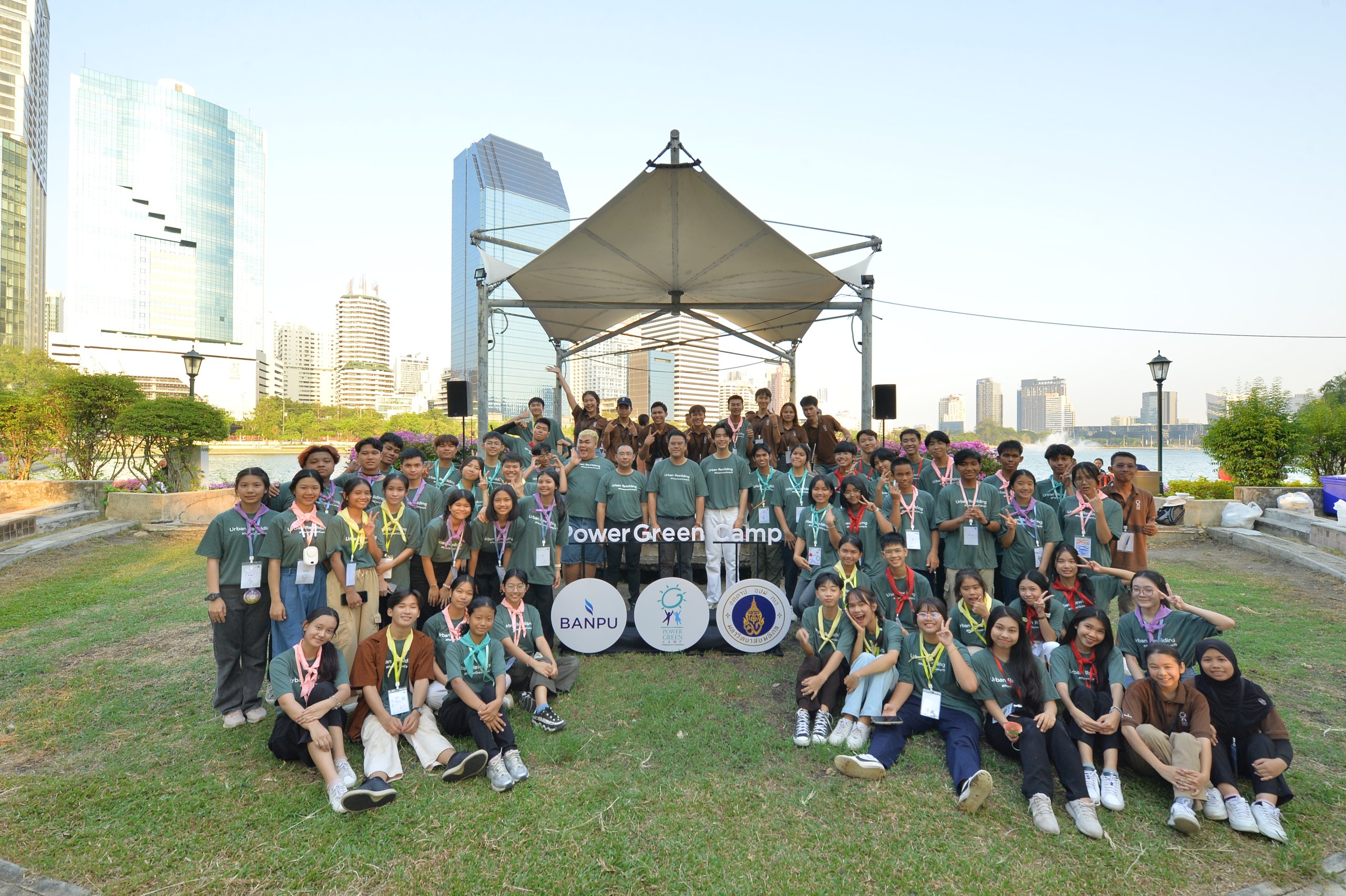
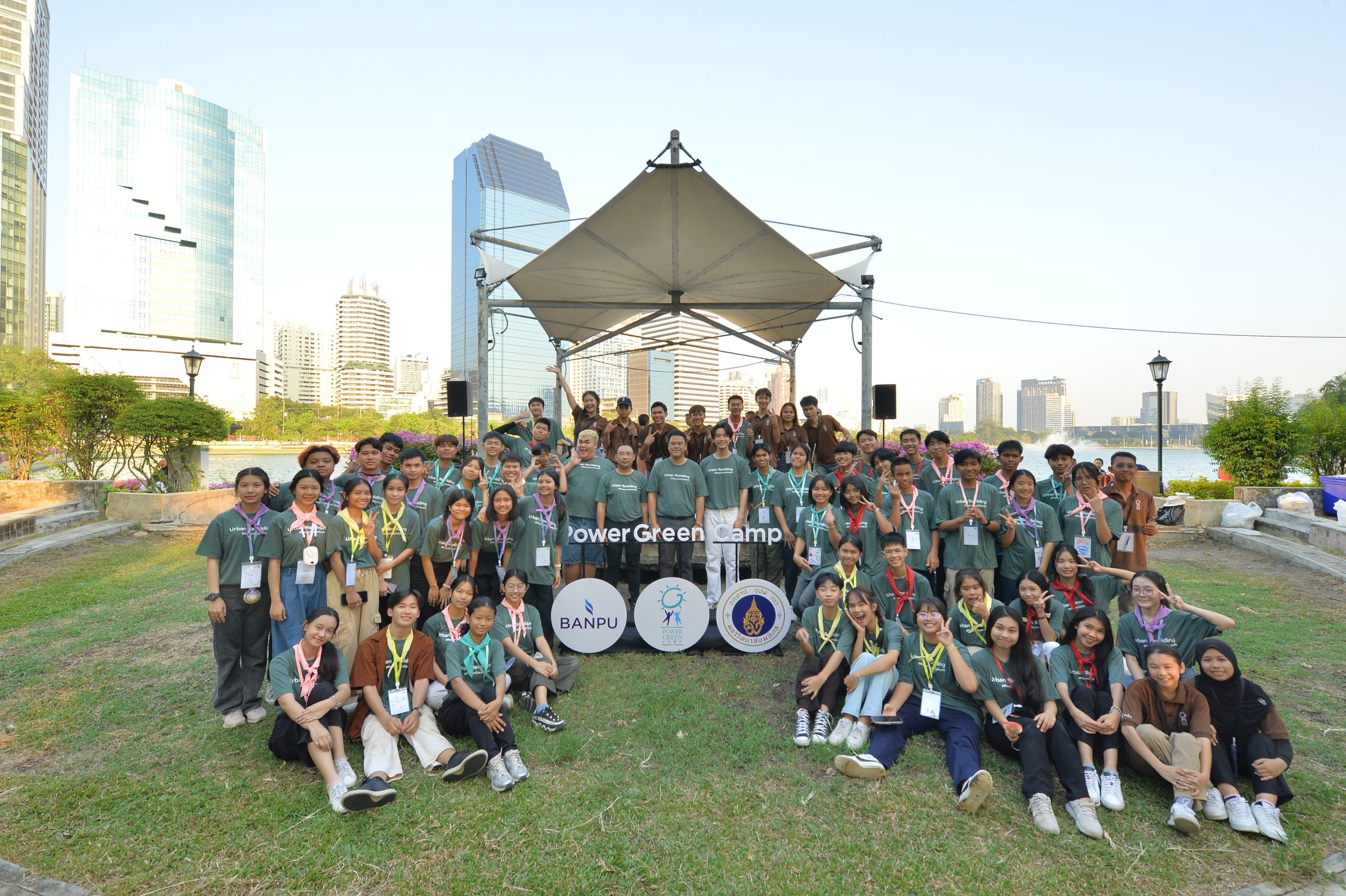
Banpu and Mahidol Organize Power Green Camp 19 – “Urban Rewilding: Forest – Cities – Lives”

Banpu Public Company Limited, a leading international versatile energy provider, together with Faculty of Environment and Resource Studies, Mahidol University, opened the 19th edition of the “Power Green Camp”. Set under the theme of “Urban Rewilding: Forest – Cities – Lives”, aiming to bring forests into the city and connect all lives closer to nature and encouraging the use of scientific principles to conserve the environment in a systematic approaches. The Power Green Camp was held between 28 April – 4 May 2024.

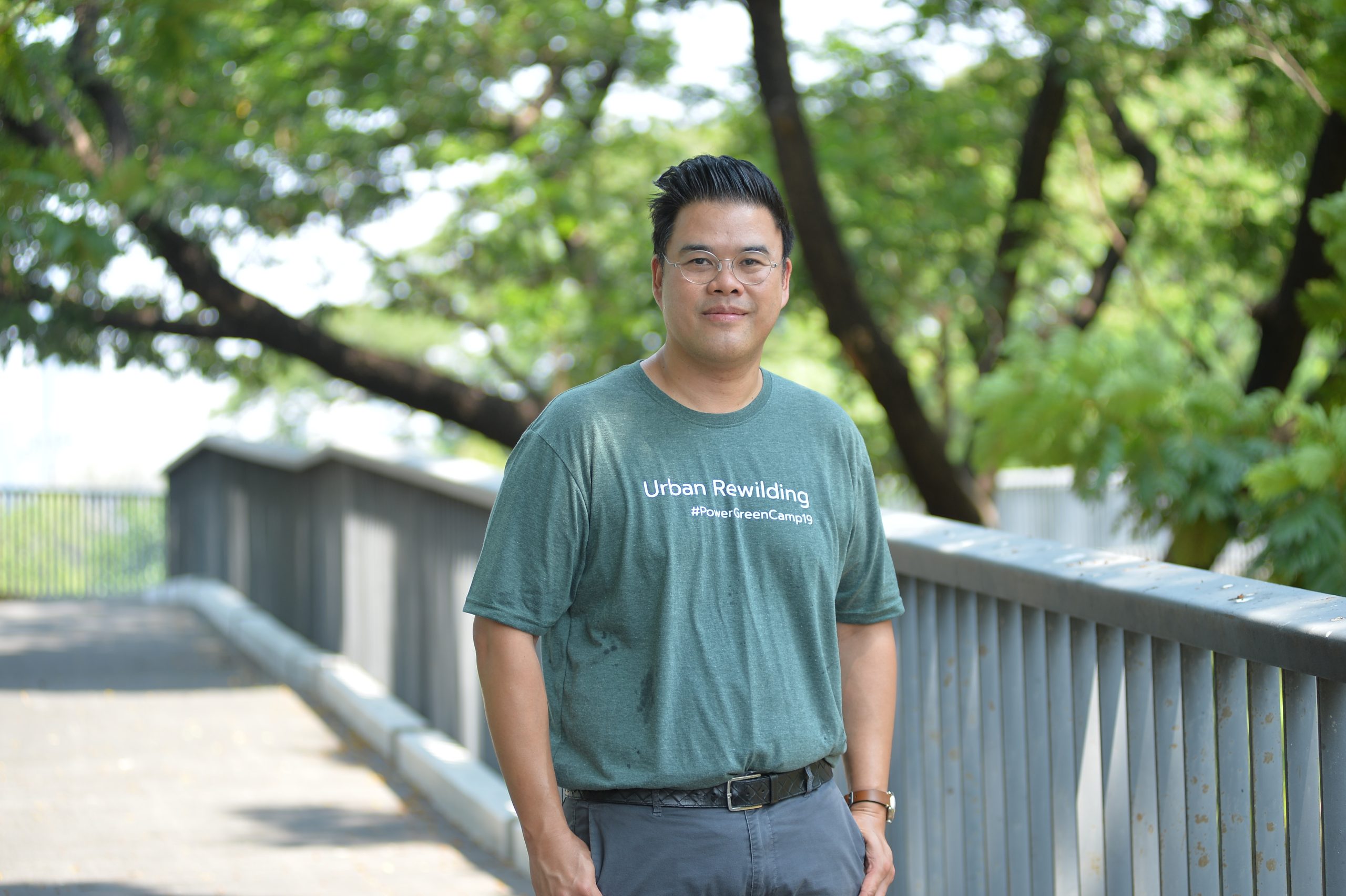
Mr. Rattapon Sukhunthee, Head of Corporate Communications, Banpu Public Company Limited, said “Our reason for selecting “urban forests” as main topic for students to learn at Power Green Camp this year is to promote a better environment in urban areas. Urban forests help absorb pollution and reduce temperature, create more green spaces for recreation, and as hubs for social activities, all of which ultimately bring good health to people in urban areas. Many countries in Asia including Singapore, Japan, and Malaysia are also majorly promoting urban forests.”
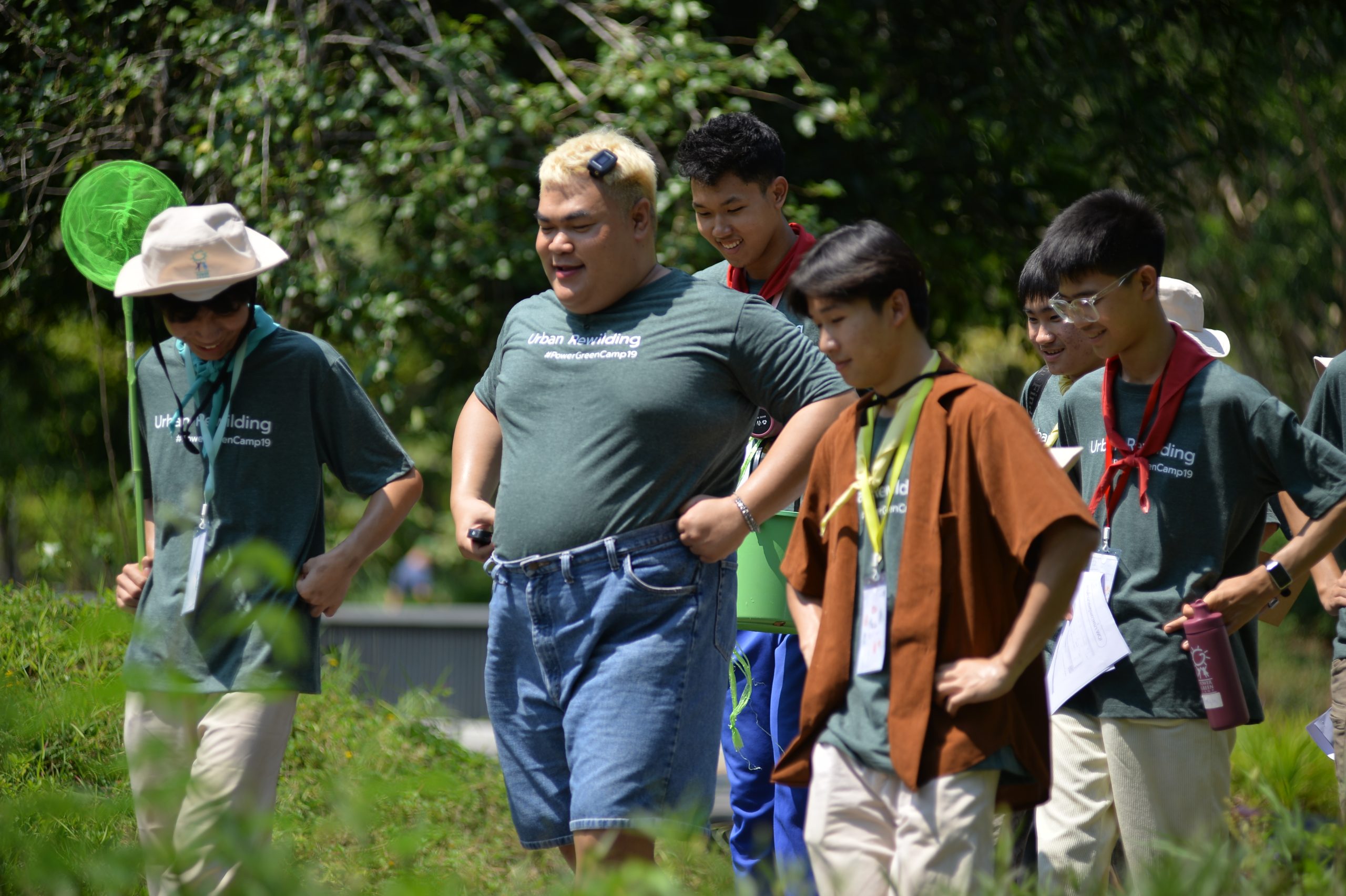
With such interesting topic as “Urban Rewilding: Forest – Cities – Lives”, 50 students from 48 schools in 32 provinces had the opportunity to participate in both theoretical and practical activities. The main subjects they have learnt involved conserving forest resources and restoring biodiversity of urban forests in systematic approaches through the 3Rs model which contained:

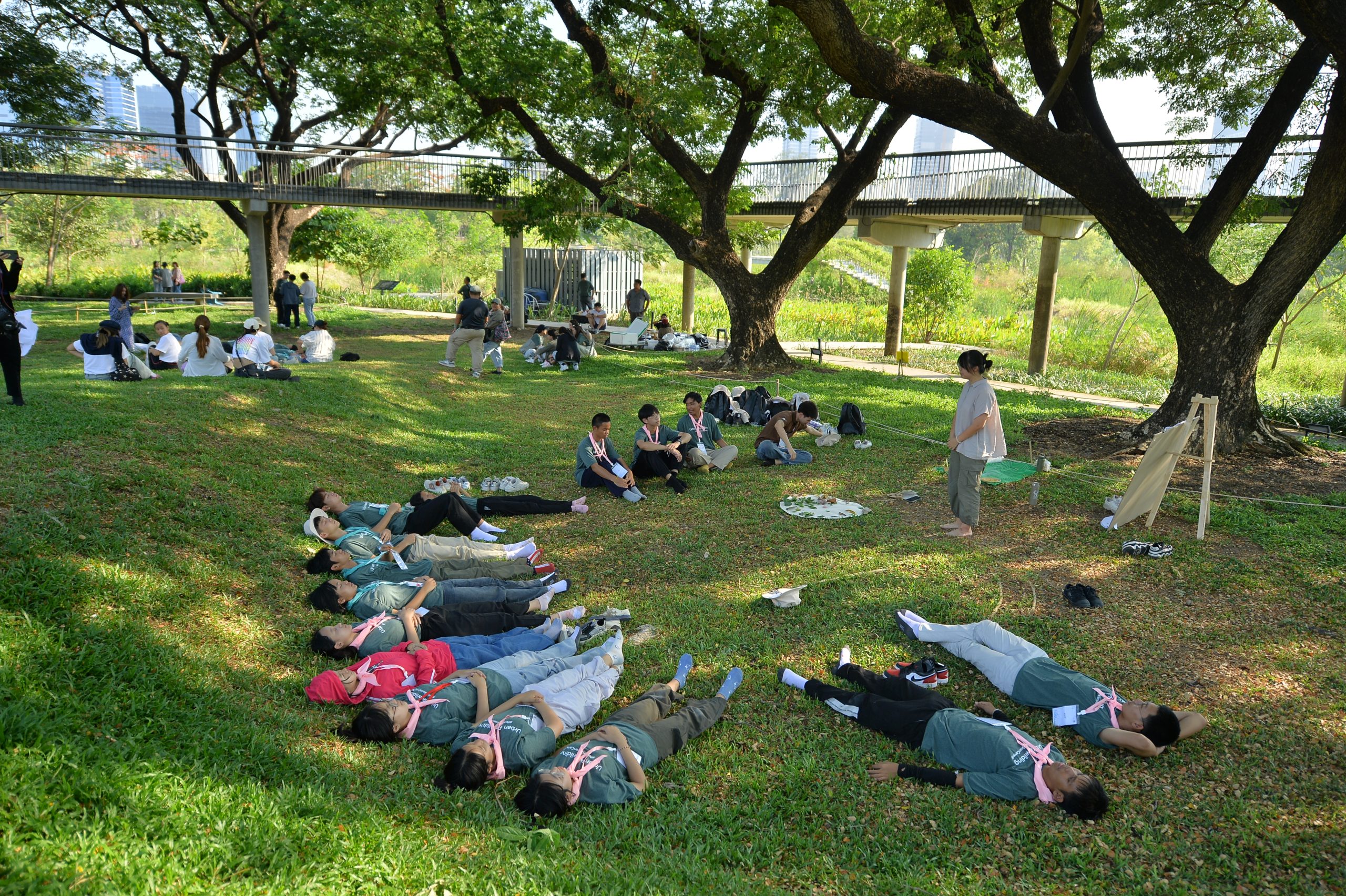
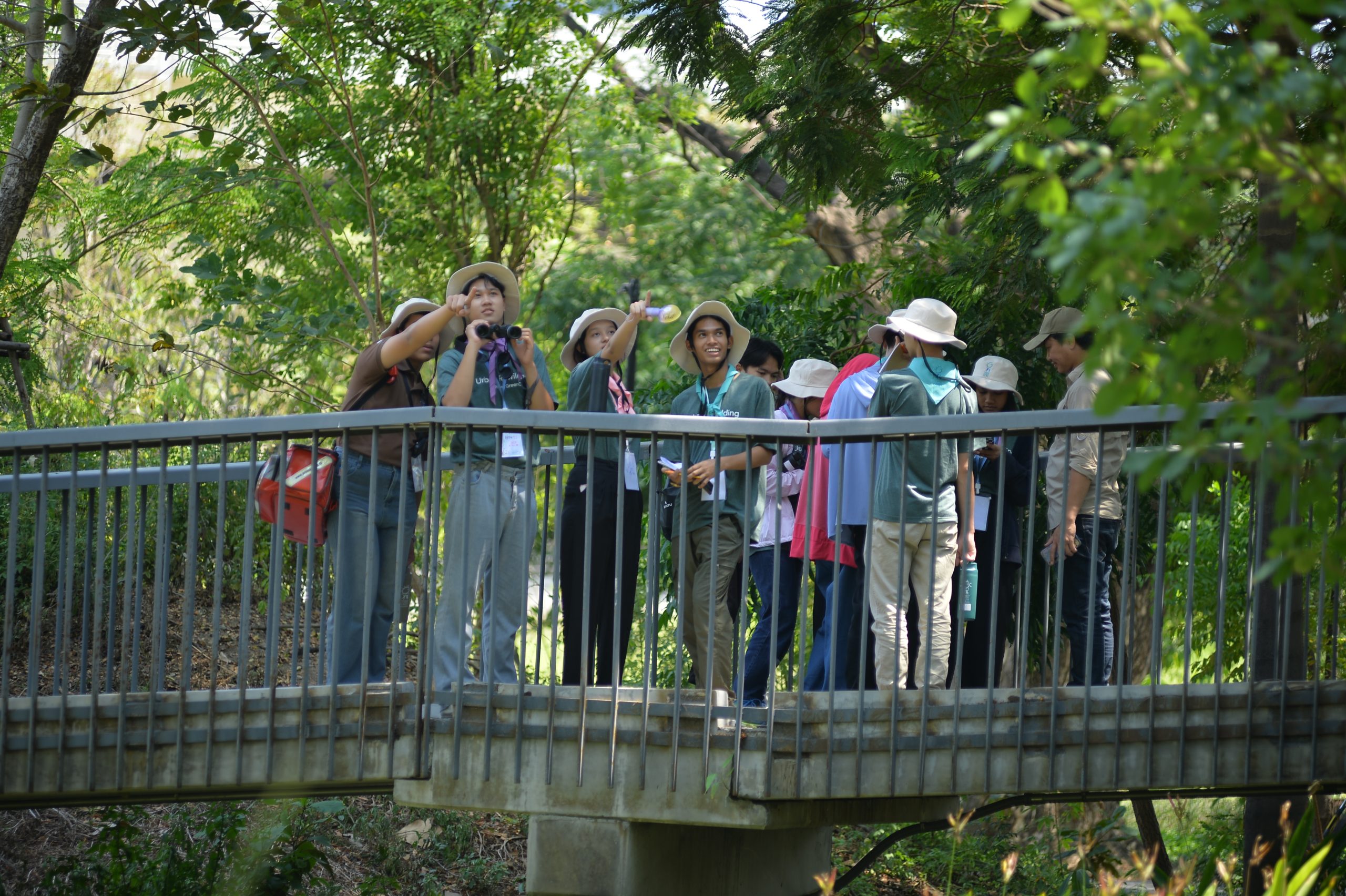
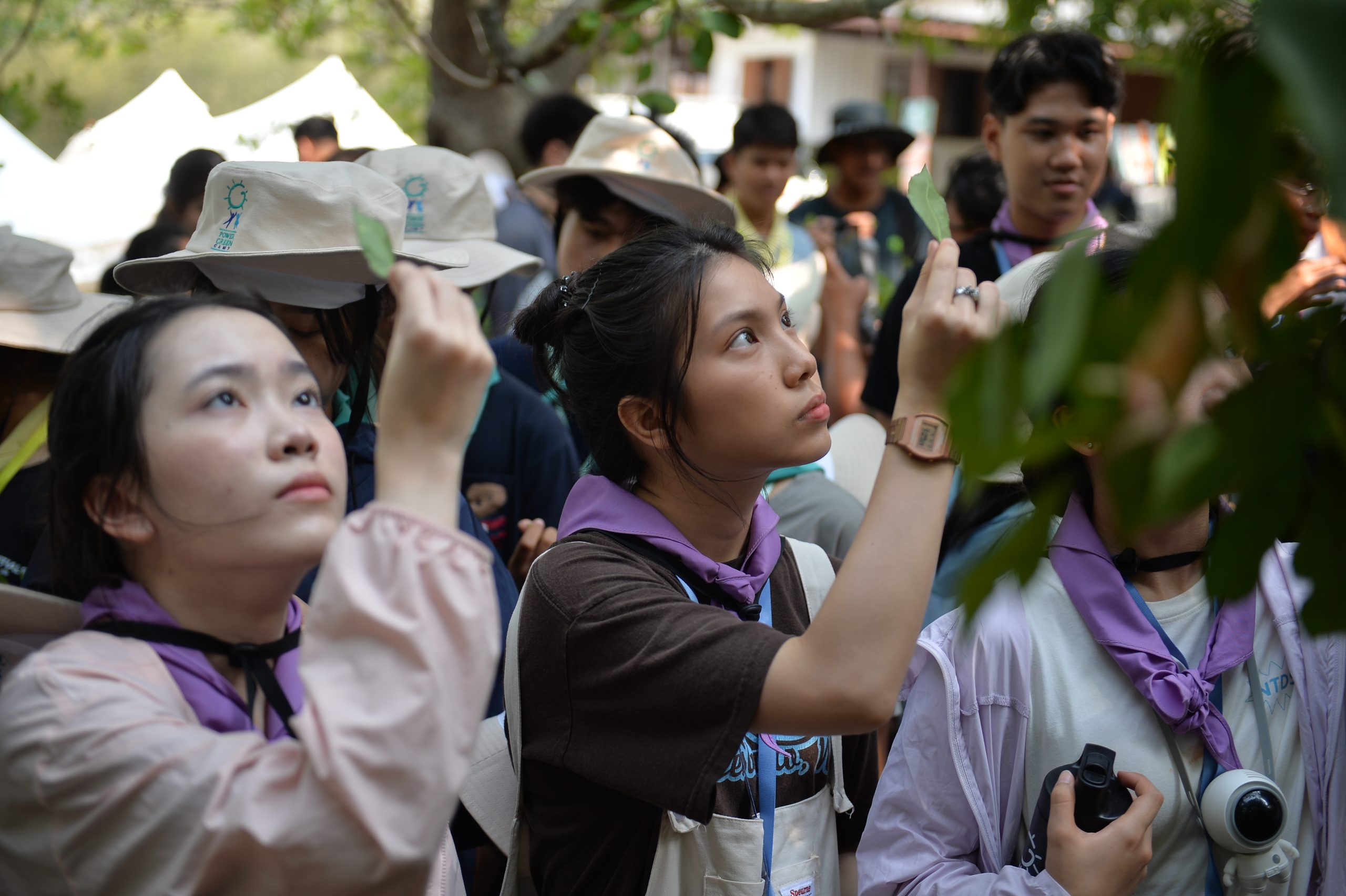
  • Reconnect: Connect urban lives with the “forest” through important learning activities including “Decoding Predictions from the Trees” activity where students were tasked to collect data from observing tree behavior in order to understand the science of initially predicting seasons from trees, “I Am Not Just a Villain” activity that invited students to study the way of life and behavior of Asian water monitor as ecological health indicator, and “Forest Bathing” activity that allowed students to exercise all five senses (sight, taste, smell, sound and touch) by relaxing their body and opening up to connect their minds with nature.
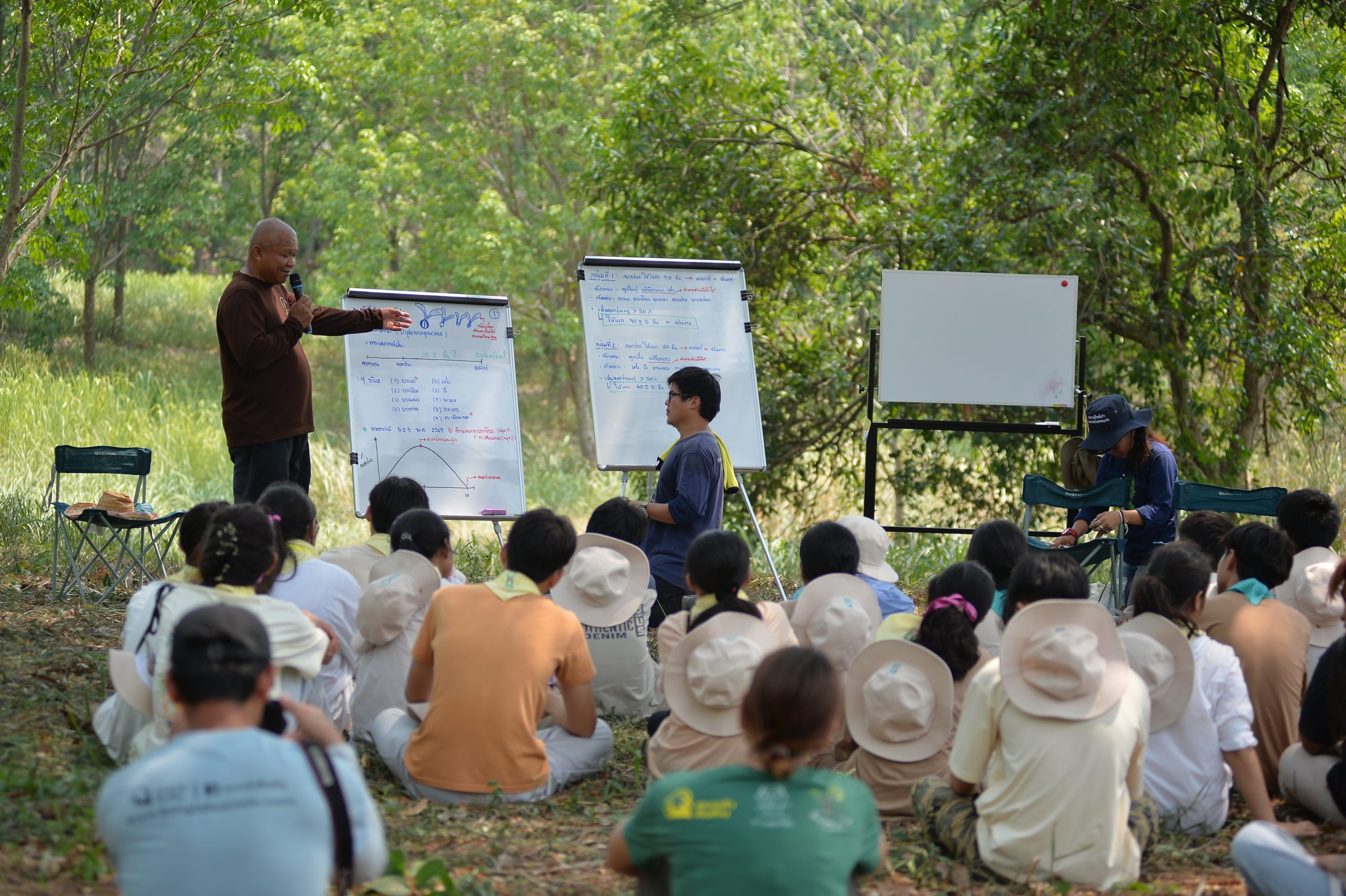
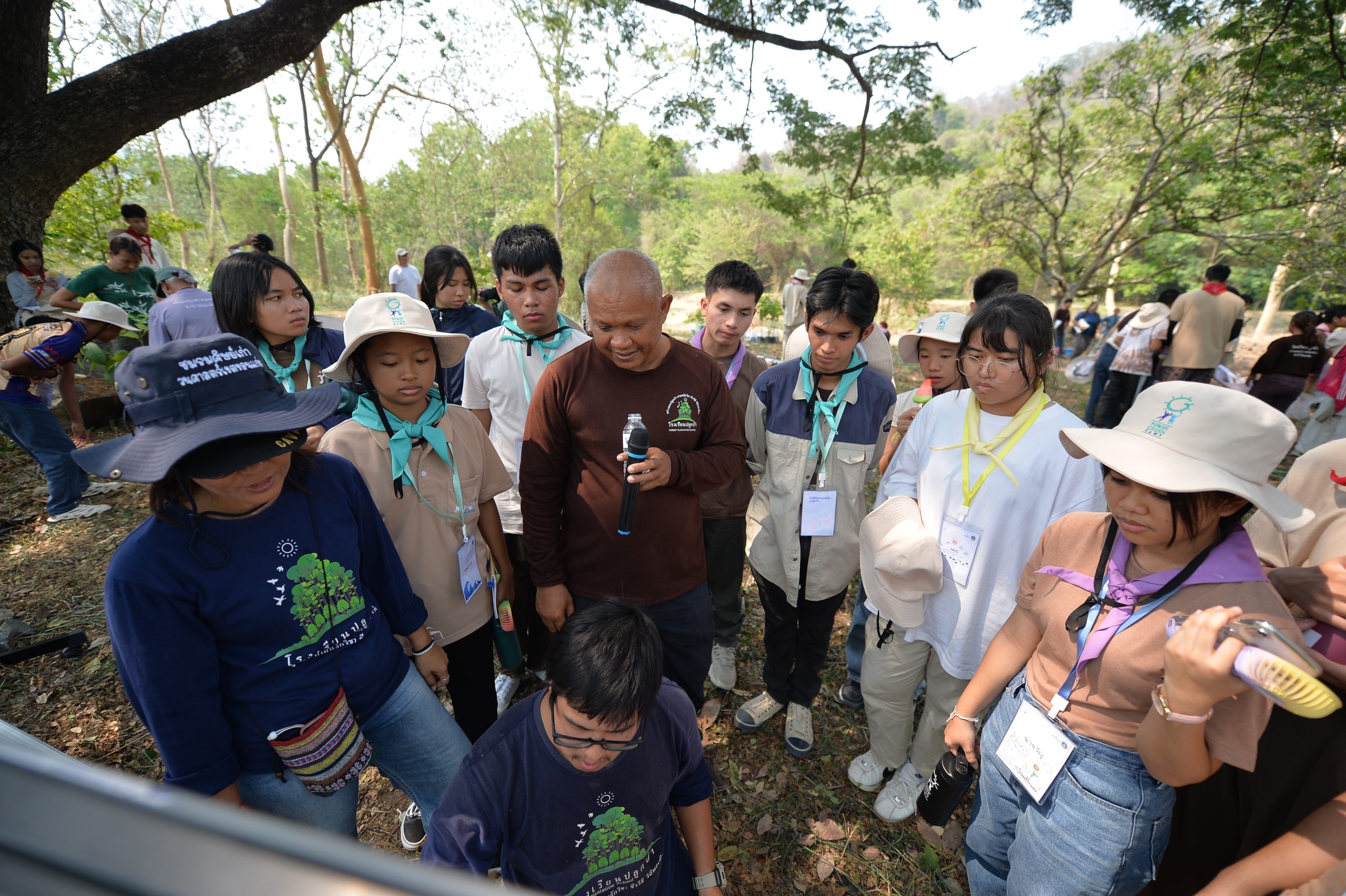
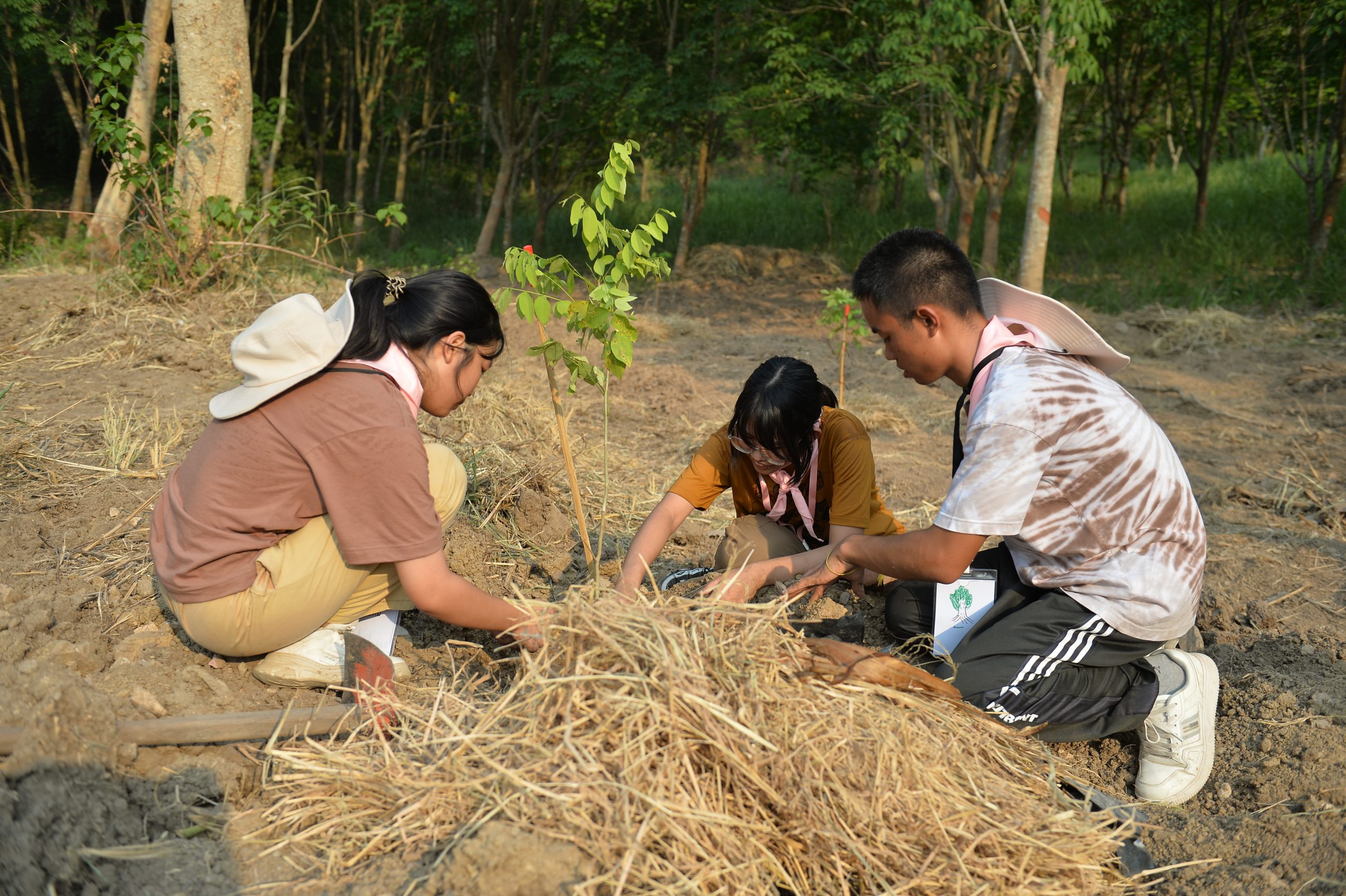
  • Restore: Learn ways to conserve forest resources and restore biodiversity of urban forests through activities such as “Carbon Sequestration and Benefits of Urban Forest” activity where students were encouraged to learn about how to allocate natural resources in urban areas towards sustainable development goals and how to evaluate the potential of the forest to absorb carbon dioxide. They would also learn more about ‘The Role and Duty of Arborist’ or tree surgeon who took care of trees that helped protect biodiversity of urban forests. Another activity was ‘Restore Native Trees’, where students were shown guidelines for conserving and restoring biodiversity in the forest, with an emphasis on conserving traditional species or native trees to remain in the ecosystem.
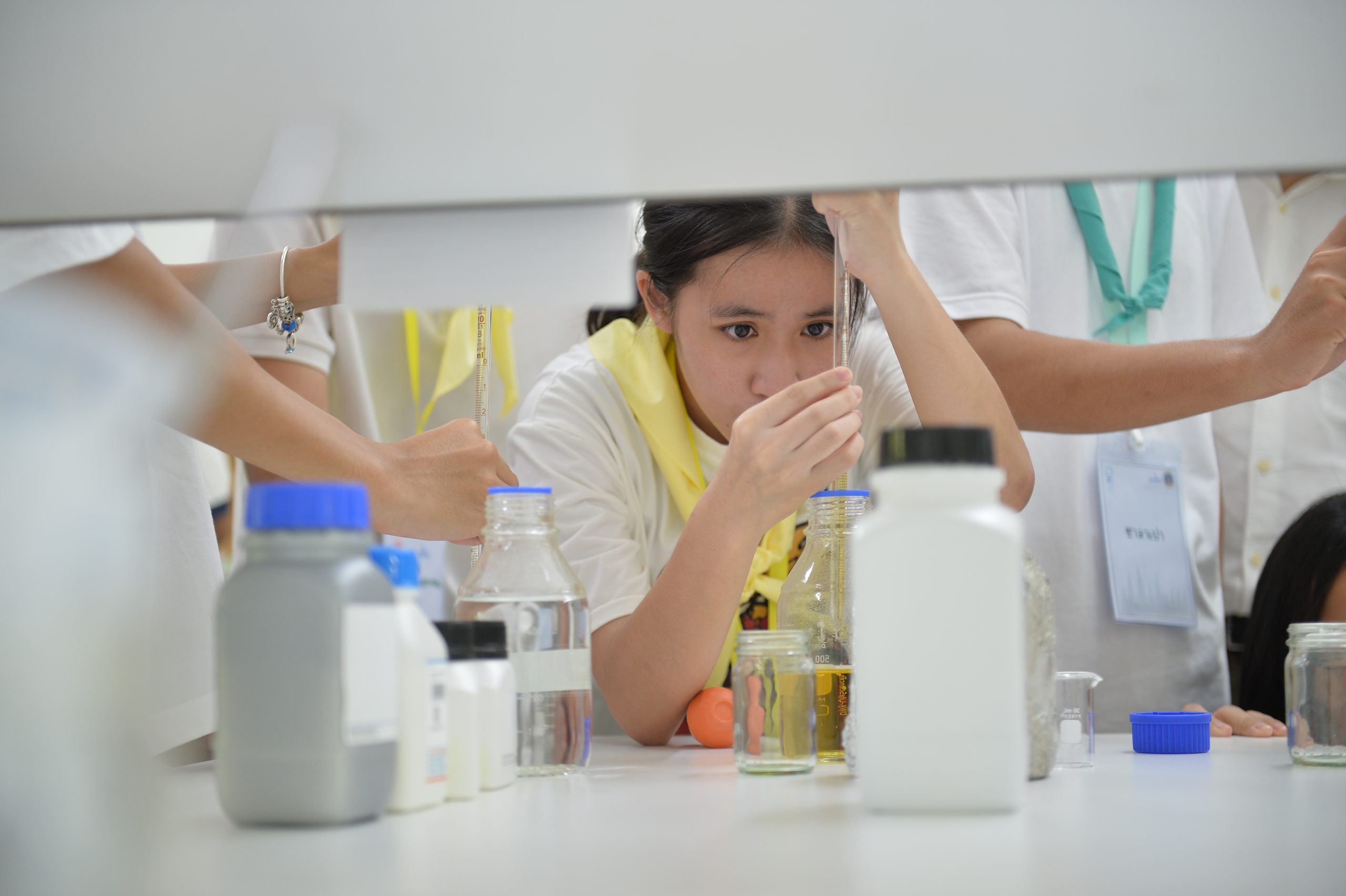
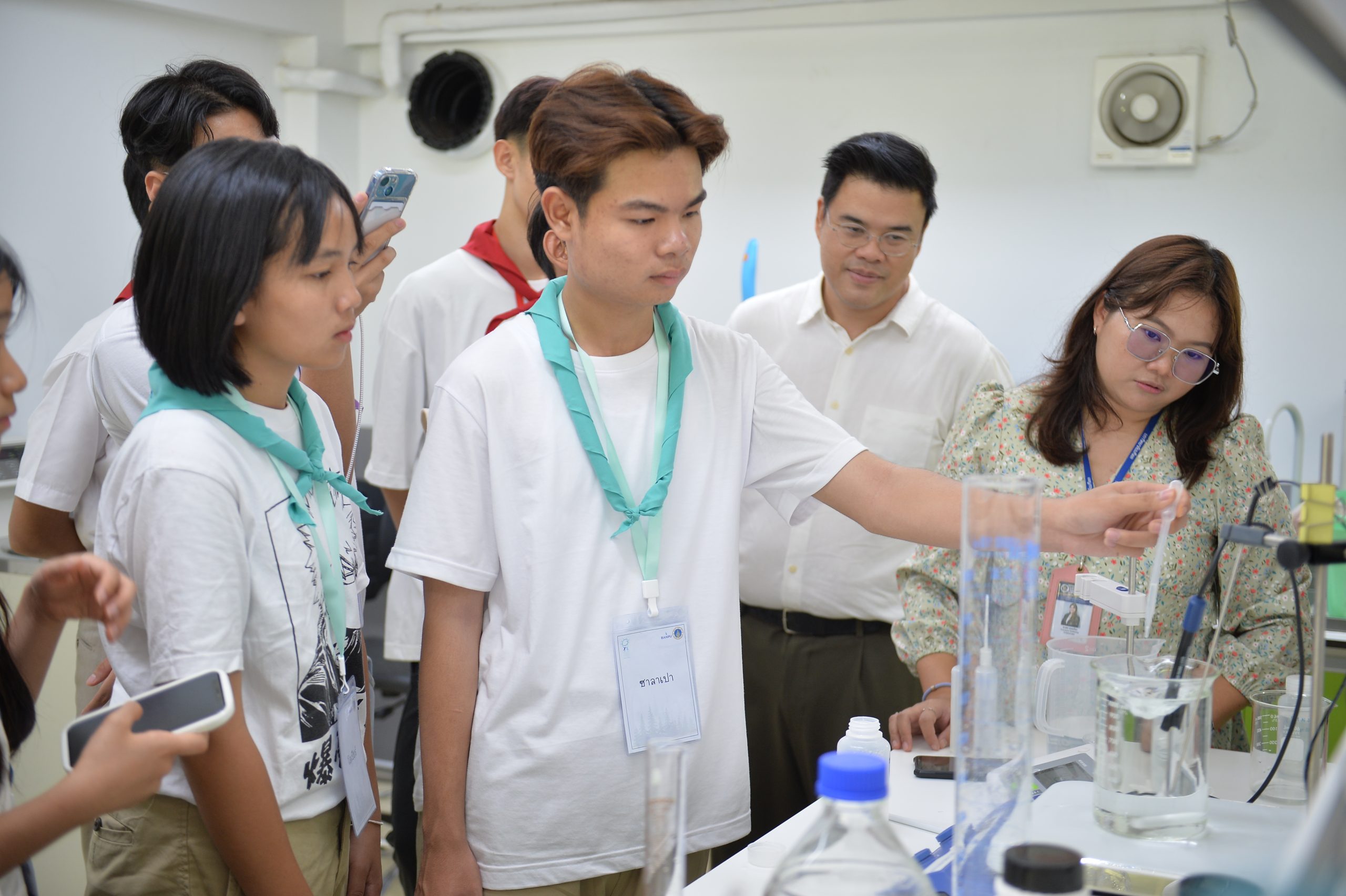
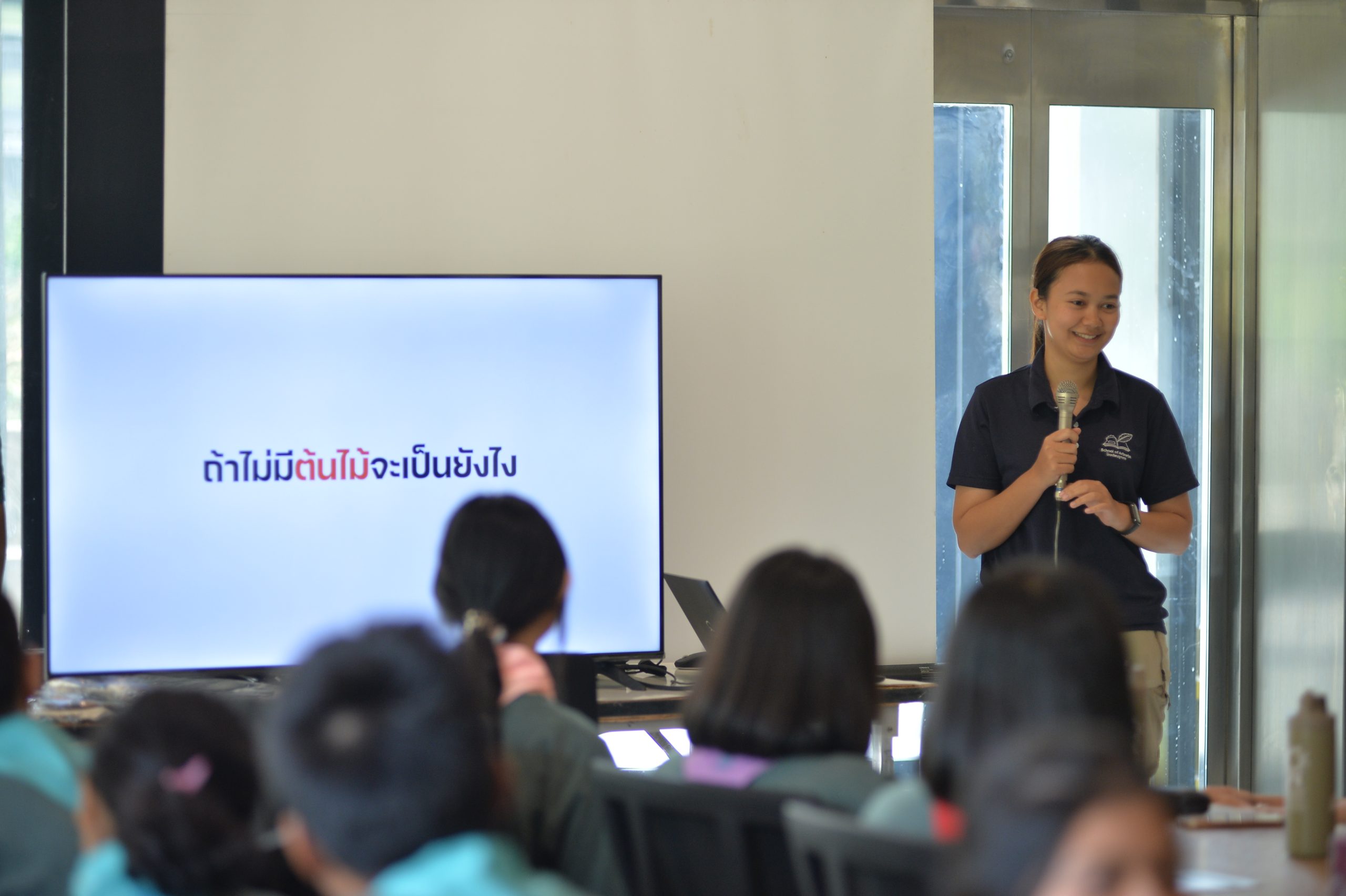
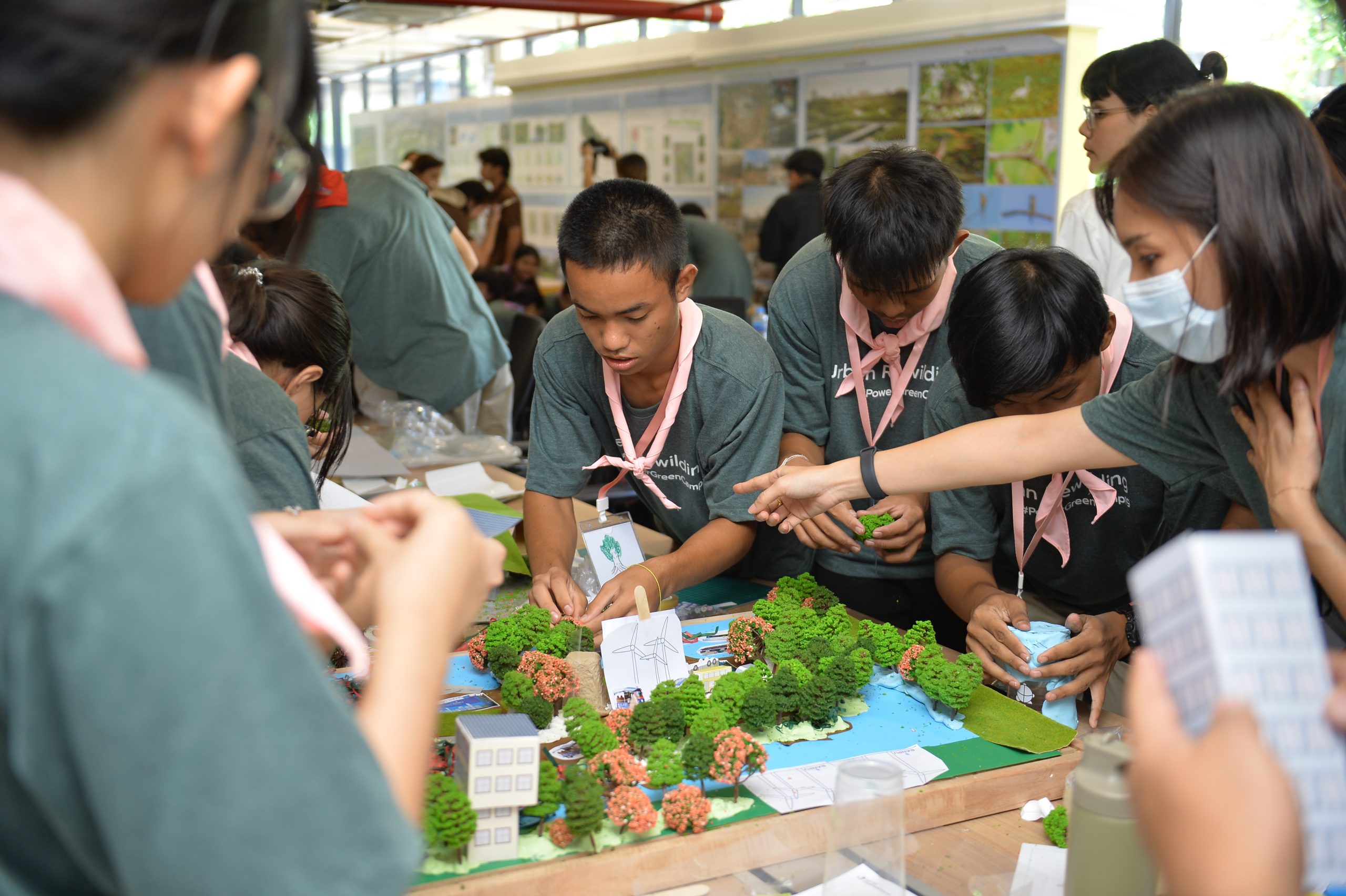
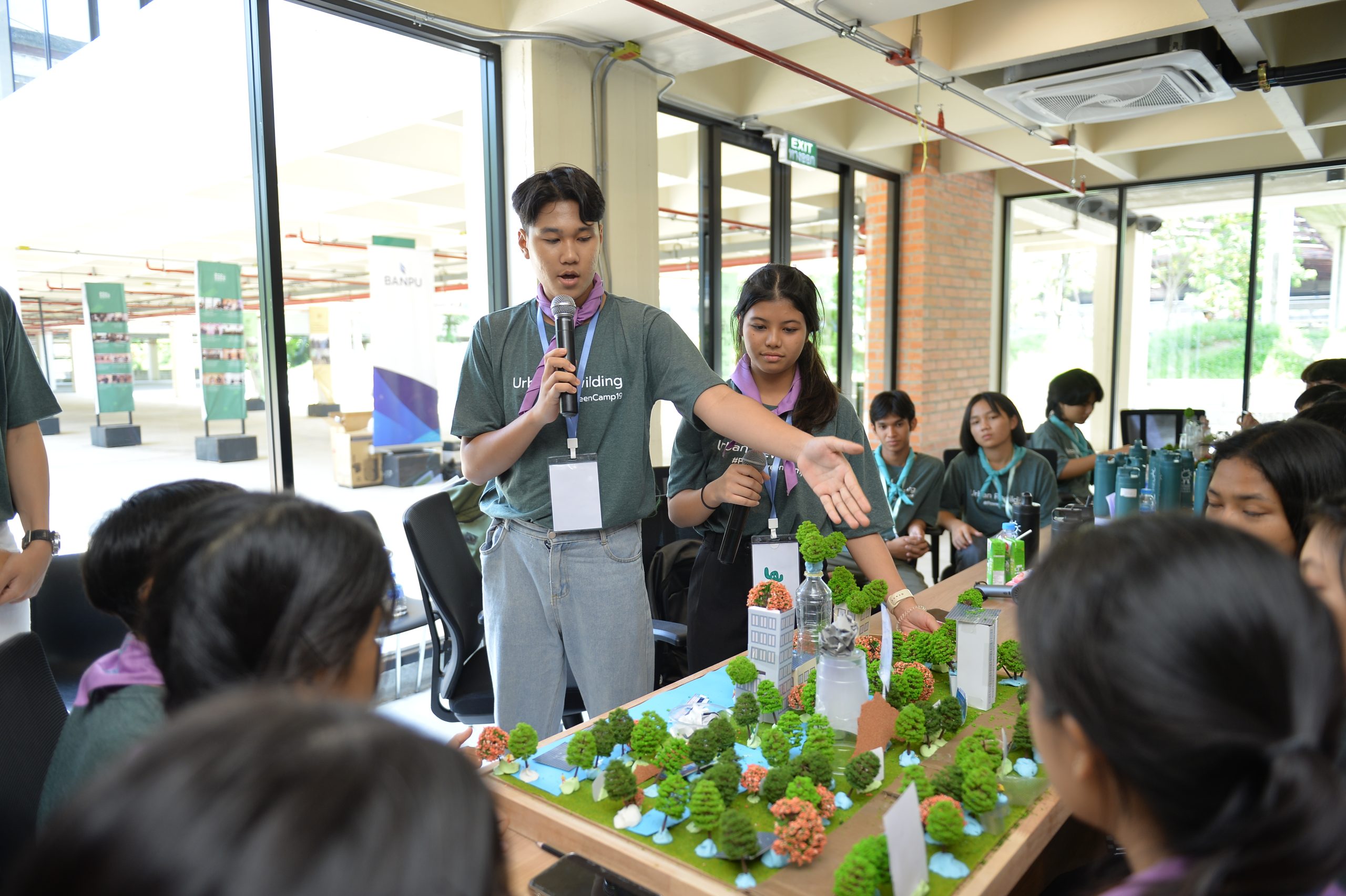
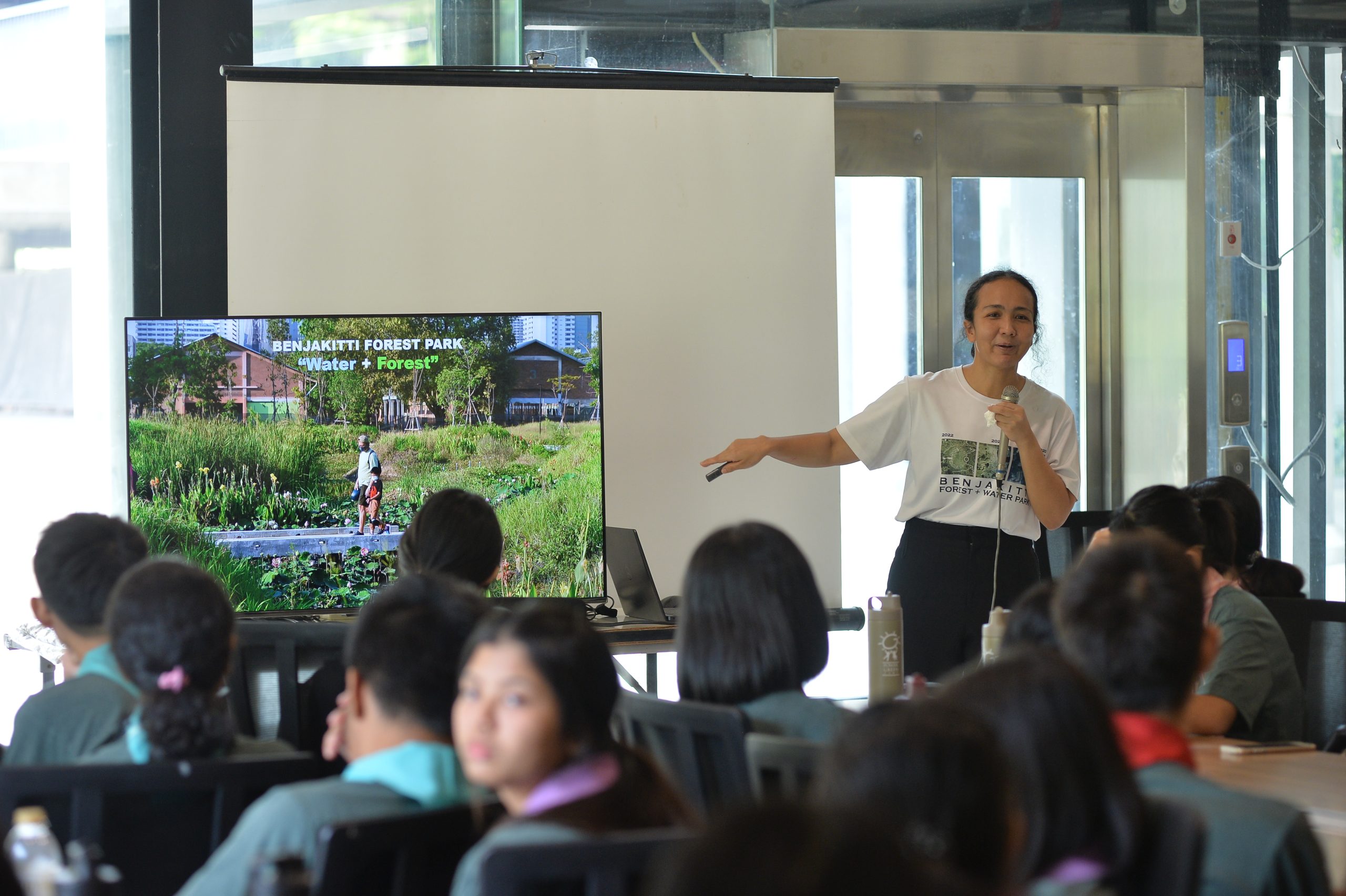
  • Redesign: Study systematic green city design through a lecture on ‘Benchakitti Forest Park – From Urban Forest to World-Class Architecture” highlighting the systematic design of Benchakitti Park as a large wetland area mimicking natural ecosystem. Another activity was ‘Youth Crafting Green Cities,’ conducted by Banpu employees, where students used knowledge they gained from the camp to design an environmentally friendly cities.
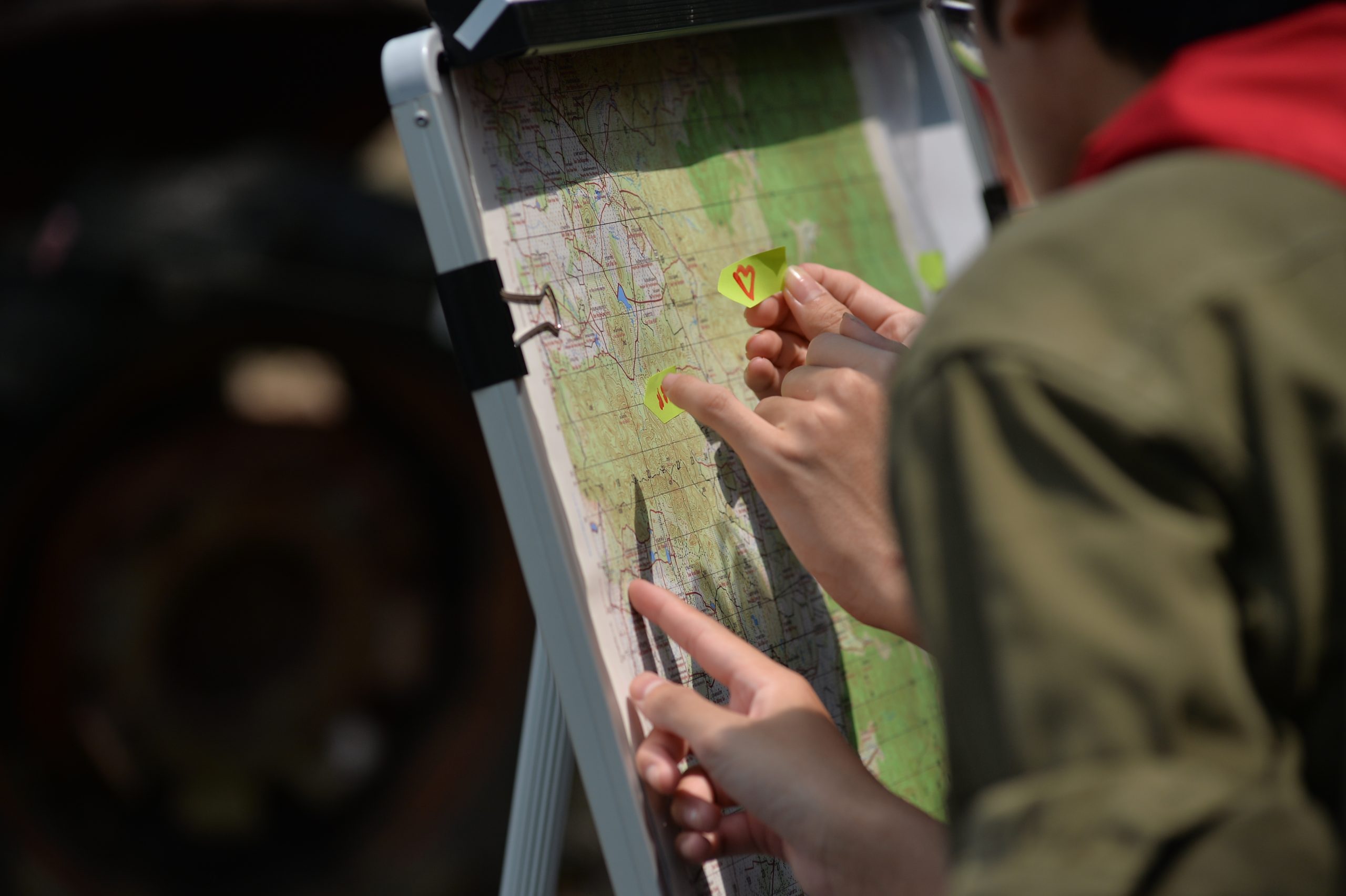
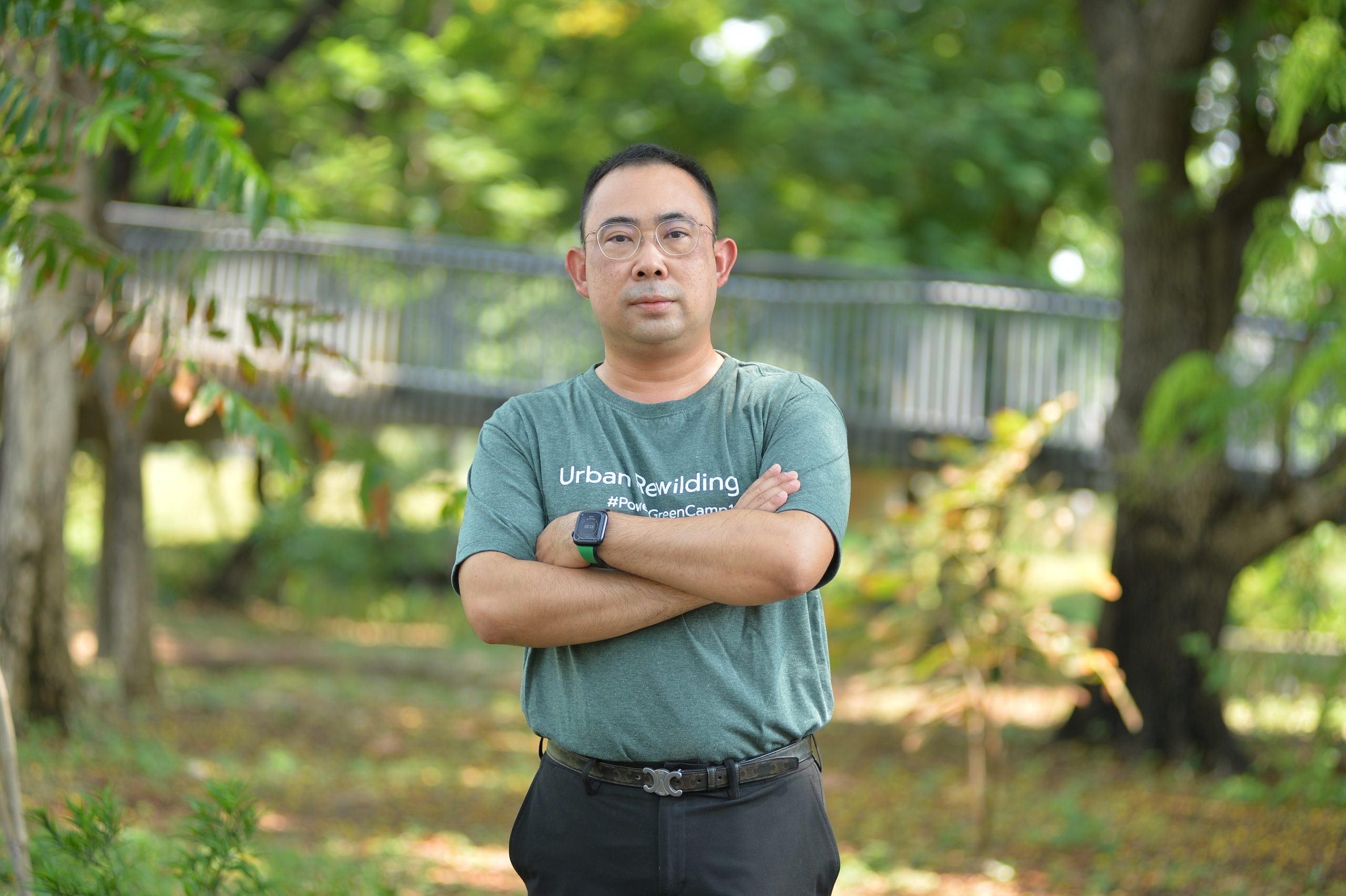
Associate Professor Dr.Thamarat Phutthai, lecturer at the Faculty of Environment and Resource Studies, Mahidol University, and president of the Power Green Camp, said “A survey by Thailand Development Research Institute (TDRI) found that residents in Bangkok had 7.49 square meters of green area per head in 2023. However, if the estimated 10 million unregistered residents are included, the green area per head drops to 3.54 square meters, which does not meet the World Health Organization (WHO)’s minimum standard of 9 square meters per person. Therefore, this camp has set a goal to raise awareness and encourage students to realize the importance of having an “urban forests”. And we must conserve the forest to enhance a better quality of life for everyone. The camp also allows them to experience both urban and natural forests to learn the differences between them.”
In addition, all 50 students will use the knowledge they gained from the camp in their environmental science group projects, that will later be presented in a competition for scholarships and certificates, with experts from Mahidol University giving close mentorship.

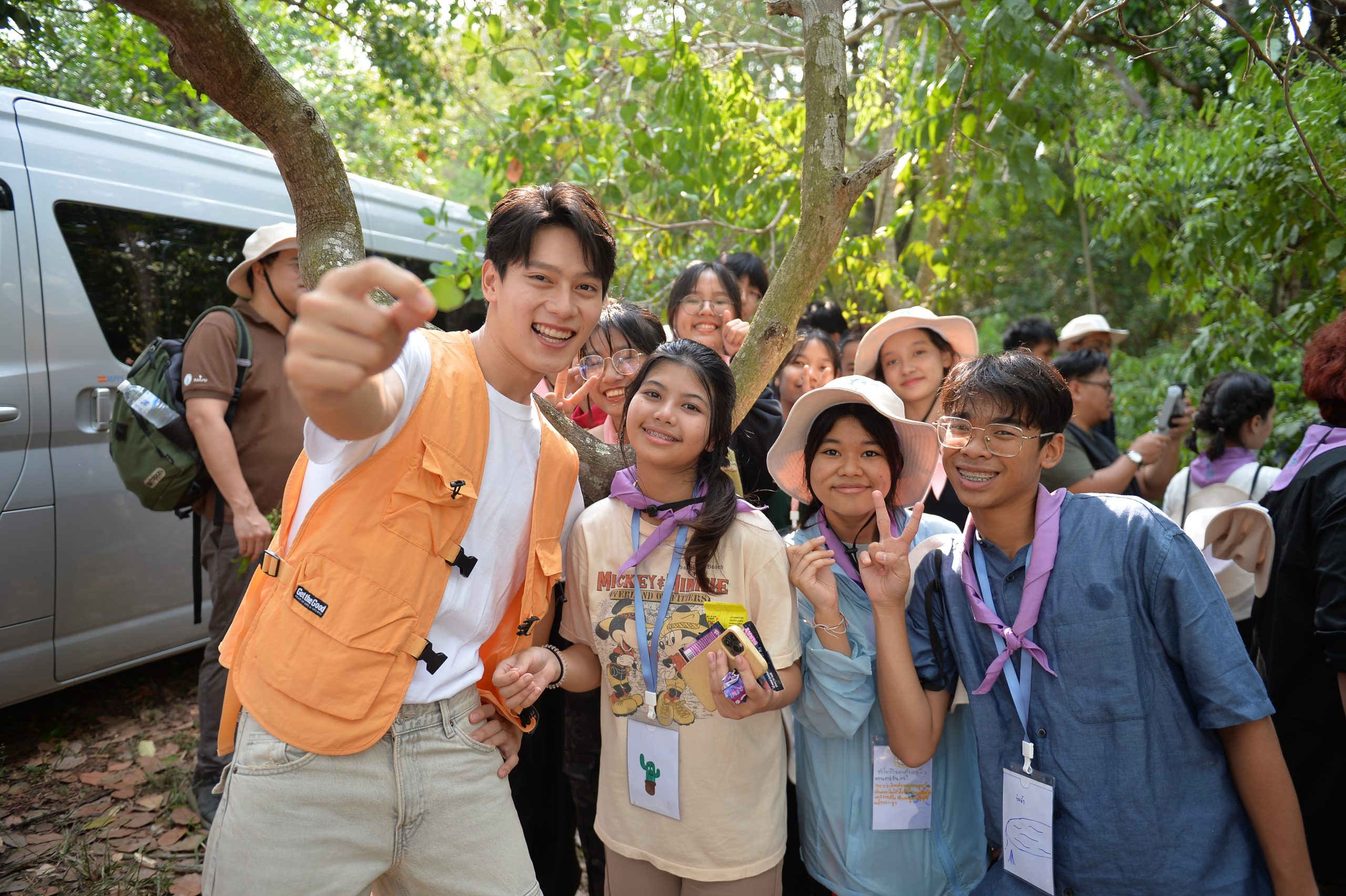
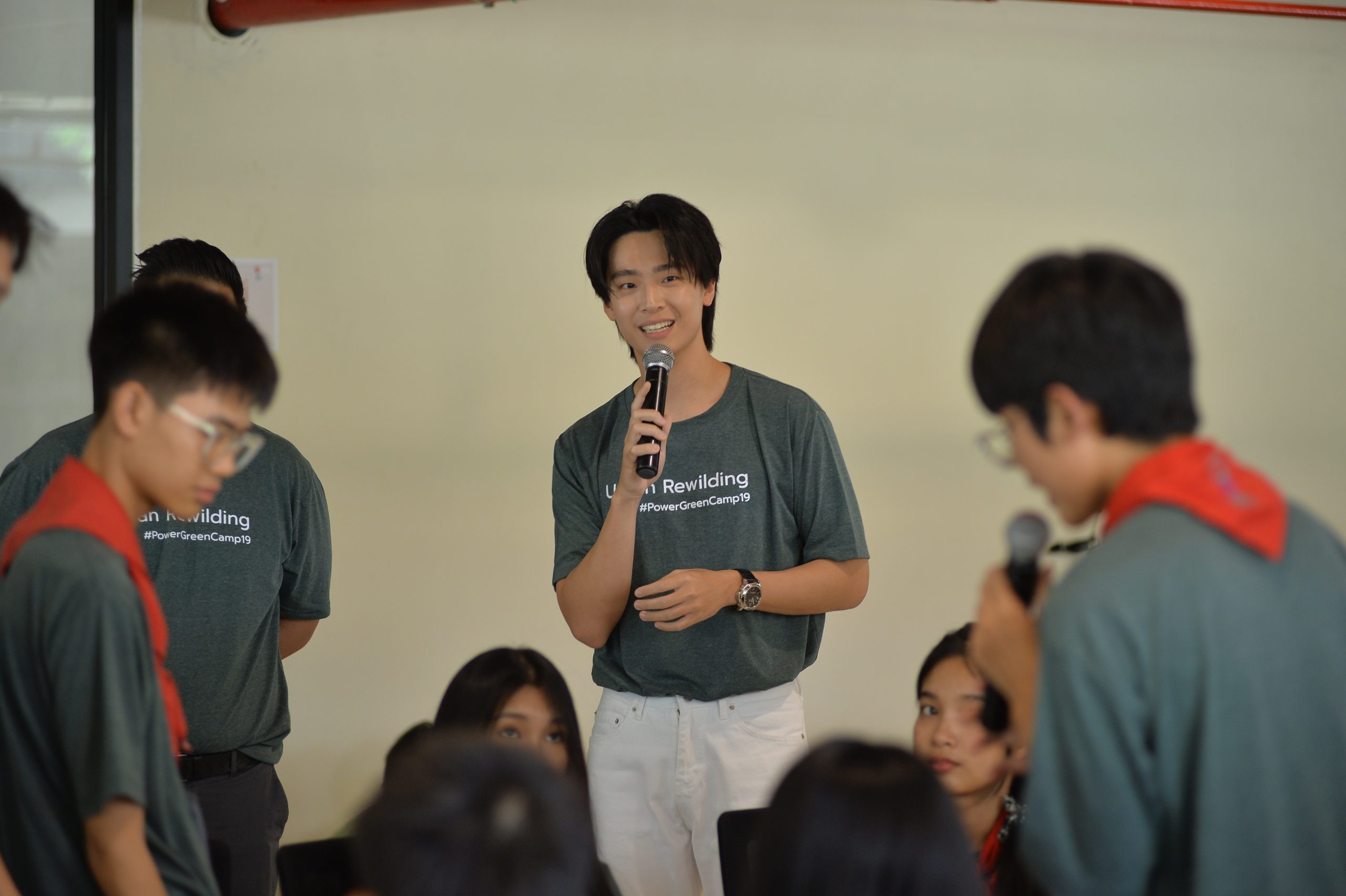
At the Power Green Camp 19, there were guest speakers as well as renowned actors and influencers joining the activities. These included Neng Sarun Naraprasertkul, a television star passionate about the environment; Pingpong Thongchai Thongkanthom, a comedian, TV host, and a content creator who inspired people with his positive approach to life; and Gun Natsakan Chairote, a green Influencer who often shared environmental ideas and experiences to inspire younger generation to care more about nature.
###

For more information and updates on the Power Green Camp 19 at

Facebook: www.facebook.com/powergreencamp

Website: www.powergreencamp.com

About Power Green Camp

The “Power Green Camp” was initiated in 2006 and operated continuously since then under collaboration between Banpu Public Company Limited and the Faculty of Environment and Resource Studies, Mahidol University. Through the concept of “Environmental Science – Learning to Practice”, which initially focuses on allowing students to learn about environment and natural resources, The camp aims to encourage them to love and cherish nature as well as applying scientific knowledge they have from the camp to systematically solve environmental problems, while becoming leaders and building a strong network of protecting the environment in the future.

About Banpu

Banpu Public Company Limited has 3 core groups of businesses: energy resource, energy generation and energy technology in Thailand, Indonesia, China, Australia, Lao PDR, Mongolia, Japan, the United States of America and Vietnam.

Tags :
For more information,
Please contact Banpu Corporate
Communications Team:
Kamolwan Chiamudom

02-694-6994

Kamolwan_c@banpu.co.th

Thanatchaporn Rangsinturat 

02-694-6784

Thanatchaporn_r@banpu.co.th

Solar Farm
Ponder Solar Farm
Texas

Operational

Capacity
(1Q26)

2.5
MW
Banpu Ownership : 100%
Gas-fired Power Plant (HELE/CCGT)
Temple I CCGT Power Plant
Texas

Operational

Installed
capacity
(1Q26)

768
MW
Banpu Ownership : 100%
Temple II CCGT Power Plant
Texas

Operational

Installed
capacity
(1Q26)

755
MW
Banpu Ownership : 100%
Shale Gas Site
Marcellus Shale
Pennsylvania

Operational

Reserves
(2025)

0.6
Tcfe 1P reserves
Banpu Ownership : 65.94%
Barnett Shale
Texas

Operational

Reserves
(2025)

5.5
Tcfe 1P reserves
Banpu Ownership : 65.94%
CCUS Project
Barnett Zero Project
Texas

Operational

Annual CO2
storage capacity
(2025)

183,000
t/yr
Cotton Cove Project
Texas

Operational

Annual CO2
storage capacity
(2025)

32,000
t/yr
CCUS Project
Eagle Ford Project
Southern Texas

Under Development

Annual CO2
storage capacity
(2025)

~90,000
t/yr
East Texas Project
Eastern Texas

Under Development

Annual CO2
storage capacity
(2025)

~70,000
t/yr
BESS Project
Megamouth BESS
Texas

Under Development

Capacity
(2025)

100
MW
200
MWh
Banpu Ownership : 100%
BESS Project
Iwate Tono BESS
Iwate

Operational

Capacity
(1Q26)

15
MW
58
MWh
Banpu Ownership : 75%
BESS Project
Aizu BESS
Fukushima

Under Development

Capacity
(2025)

26
MW
104
MWh
Banpu Ownership : 100%
Tsuno BESS
Miyazaki

Under Development

Capacity
(2025)

26
MW
104
MWh
Banpu Ownership : 70%
Kamigumi-Tokyo BESS
Tokyo

Under Development

Capacity
(2025)

2
MW
8
MWh
Banpu Ownership : 49%
Nikko BESS
Tochigi ​

Under Development

Capacity
(2025)

40
MW
160
MWh
Banpu Ownership : 100%
Hiyoshibaru BESS
Oita​

Under Development

Capacity
(2025)

20
MW
80
MWh
Banpu Ownership : 30%
Solar Power Plant
Olympia Solar
Gunma, Ibaraki and Tochigi

Operational

Capacity
(1Q26)

10
MW
Banpu Ownership : 40%
Yamagata Solar​
Yamagata

Operational

Capacity
(1Q26)

20
MW
Banpu Ownership : 100%
Kesennuma Solar
Miyagi

Operational

Capacity
(1Q26)

20
MW
Banpu Ownership : 100%
Shirakawa Solar​
Fukushima

Operational

Capacity
(1Q26)

10
MW
Banpu Ownership : 100%
Wind Project
Vinh Chau – Phase 1
Soc Trang Province

Under Development

Capacity
(2025)

30
MW
Banpu Ownership : 100%
Solar Power Plant
Nhon Hai Solar
Ninh Thuan Province

Operational

Capacity
(1Q26)

35
MW
Banpu Ownership : 100%
Wind Power Plant
El Wind Mui Dinh
Ninh Thuan Province

Operational

Capacity
(1Q26)

37.60
MW
Banpu Ownership : 100%
Coal Mine
Tsant Uul Mine
South Gobi Province

Operational

Production
(1Q26)

0.57
Mt

Reserves
(2025)

~63.5
Mt
Banpu Ownership : 100%
Coal Project
Unst Khudag Project
Central Gobi Province

Under Development

Reserves
(2025)

540.9
Mt
Banpu Ownership : 100%
Solar Farm
Beryl Solar Farm (BSF)
New South Wales

Operational

Capacity
(1Q26)

110.9
MW
Banpu Ownership : 100%
Manildra Solar Farm (MSF)
New South Wales

Operational

Capacity
(1Q26)

55.9
MW
Banpu Ownership : 100%
Port
NCIG Coal Terminal Port (Newcastle)

Operational

Coal export loading

Coal Mine
Airly Mine
New South Wales

Operational

Production
(1Q26)

0.1
Mt

Reserves
(2025)

13.5
Mt
Banpu Ownership : 100%
Springvale Mine
New South Wales

Operational

Production
(1Q26)

0.7
Mt

Reserves
(2025)

5.3
Mt
Banpu Ownership : 100%
Clarence Mine
New South Wales

Operational

Production
(1Q26)

0.3
Mt

Reserves
(2025)

24.7
Mt
Banpu Ownership : 100%
Mandalong Mine
New South Wales

Operational

Production
(1Q26)

0.5
Mt

Reserves
(2025)

43.9
Mt
Banpu Ownership : 100%
Myuna Mine
New South Wales

Operational

Production
(1Q26)

0.2
Mt

Reserves
(2025)

11.5
Mt
Banpu Ownership : 100%
Angus Place Mine
New South Wales

Care & Maintenance

On care & maintenance

Banpu Ownership : 100%
BESS Project
Wooreen BESS (WESS)
Latrobe Valley

Under Development

Capacity
(2025)

350
MW
1,400
MWh
Banpu Ownership : 50%
Kerang BESS
Latrobe Valley

Under Development

Capacity
(2025)

103
MW
206
MWh
Banpu Ownership : 100%
Coal Project
Newstan Extension Project
New South Wales

Under Development

Reserves
(2025)

51.5
Mt
Banpu Ownership : 100%
Neubecks Mine Project
New South Wales

Under Development

Reserves
(2025)

7.5
Mt
Banpu Ownership : 100%
Wallarah Mine Project
New South Wales

Under Development

Reserves
(2025)

7.8
Mt (equity basis)​
Banpu Ownership : 13.5%
Port
Bontang Coal Terminal
+ 4 ports

Operational

Export loading facility

Coal Project
NPR Mine Project
Central Kalimantan

Under Development

Reserves
(pre-development)

77.4
Mt
Banpu Ownership : 65.14%
Coal Mine
Indominco Mine
East Kalimantan

Operational

Production
(1Q26)

1.6
Mt

Reserves
(2025)

30.4
Mt
Banpu Ownership : 65.14%
Trubaindo Mine
East Kalimantan

Operational

Production
(1Q26)

0.7
Mt

Reserves
(2025)

50.2
Mt
Banpu Ownership : 65.14%
Bharinto Mine
North Barito

Operational

Production
(1Q26)

1.7
Mt

Reserves
(2025)

95.4
Mt
Banpu Ownership : 65.14%
Jorong Mine
South Kalimantan

Operational

Reserves
(2025)

2.3
Mt
Banpu Ownership : 65.14%
Graha Panca Karsa Mine (GPK)
East Kalimantan

Operational

Production
(1Q26)

0.5
Mt

Reserves
(2025)

99.1
Mt
Banpu Ownership : 65.14%
TIS Mine
East Kalimantan

Operational

Production
(1Q26)

0.1
Mt

Reserves
(2025)

7.2
Mt
Banpu Ownership : 65.14%
NPR Mine

Operational

Production
(1Q26)

0.1
Mt

Reserves
(2025)

77.4
Mt
Banpu Ownership : 65.14%
Thermal Power Plant
Hongsa Power Plant – HPC
Xayaboury Province

Operational

Installed Capacity
(1Q26)

1,878
MW
Banpu Ownership : 40%
Thermal Power Plant
BLCP Power Plant
Rayong Province

Operational

Installed Capacity
(1Q26)

1,434
MW
Banpu Ownership : 50%
Solar Project
Jinhu Qianfeng Solar
Jiangsu Province

Under Development

Capacity
(2025)

120
MW
Banpu Ownership : 10%
BESS Project
Jinhu Qianfeng BESS
Jiangsu Province

Under Development

Capacity
(2025)

10
MW
20
MWh
Banpu Ownership : 100%
Thermal Power Plants
Luannan CHP
Hebei Province

Operational

Capacity
(1Q26)

246
MW

Steam
(1Q26)

538
t/hr​
Banpu Ownership : 100%
Zhengding CHP
Hebei Province

Operational

Capacity
(1Q26)

139
MW

Steam
(1Q26)

370
t/hr​
Banpu Ownership : 100%
Zouping CHP
Shandong Province

Operational

Capacity
(1Q26)

223
MW

Steam
(1Q26)

600
t/hr​
Banpu Ownership : 70%
Shanxi Lu Guang (SLG) Power Plant​
Shanxi Province

Operational

Capacity
(1Q26)

1,320
MW
Banpu Ownership : 30%
Solar Power Plant
Huineng Solar
Shandong Province

Operational

Capacity
(1Q26)

21.51
MW
Banpu Ownership : 100%
Jinshan Solar
Shandong Province

Operational

Capacity
(1Q26)

28.95
MW
Banpu Ownership : 100%
Haoyuan Solar
Shandong Province

Operational

Capacity
(1Q26)

20.00
MW
Banpu Ownership : 100%
Hui'en Solar
Shandong Province

Operational

Capacity
(1Q26)

19.70
MW
Banpu Ownership : 100%
Deyuan Solar
Zhejiang Province

Operational

Capacity
(1Q26)

51.64
MW
Banpu Ownership : 100%
Xingyu Solar
Shandong Province

Operational

Capacity
(1Q26)

10.30
MW
Banpu Ownership : 100%
Jixin Solar
Jiangsu Province

Operational

Capacity
(1Q26)

25.22
MW
Banpu Ownership : 100%
Coal Mine
Gaohe Mine
Shanxi Province

Operational

Production
(1Q26)

2.6
Mt

Reserves
(2025)

72.9
Mt
Banpu Ownership : 45%
Hebi Mine
Henan Province

Operational

Production
(1Q26)

0.3
Mt

Reserves
(2025)

40.6
Mt
Banpu Ownership : 40%

IR Contacts